Challenges with Fresh Groceries After 4 PM in Germany: A Ukrainian's Perspective

Life of Ukrainians Living Abroad
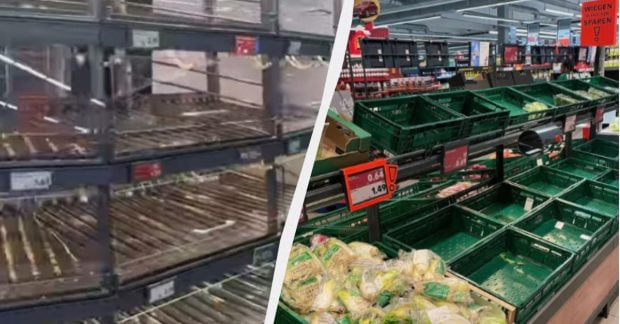
According to УНІАН — Туризм: A Ukrainian woman residing in Germany has voiced concerns about the difficulty of finding fresh groceries after 4 PM, even though supermarkets remain open until 10 PM. She explains that by late afternoon, essential fresh items such as bread and vegetables are often sold out. This issue is largely due to her work schedule, which limits opportunities to shop during the day.
Lyudmyla Rusina, originally from Kyiv and relocated to Germany following Russia's full-scale invasion of Ukraine, shares her experience:
“The discount shelves look like they’ve been hit by a storm every Saturday! The same emptiness is seen on weekday evenings. Saturdays turn into a frantic rush: visiting multiple stores, cleaning, and doing laundry (since Sundays are off).”
In Germany, monthly grocery expenses for a single family range from 150 to 200 euros (approximately 7,800 to 10,400 UAH). Each grocery trip for Lyudmyla costs about 80 euros (around 4,000 UAH). Her situation has sparked conversations among other Ukrainians living abroad. For instance, Lucy, a Ukrainian blogger based in Spain, shares her cost of living:
- Monthly living costs in Spain are roughly 900 to 950 euros.
- Food expenses account for 500 to 600 euros monthly.
- She also spends 100 to 150 euros per month caring for her cat.
Another Ukrainian living in the Occitanie region of France highlights the warmth and friendliness of the French in daily life. She notes that people in smaller French towns tend to take life at a slower pace and prioritize relaxation. These varied accounts offer insight into how Ukrainians are adjusting to life in different European countries.
The difficulties in securing fresh groceries in Germany, coupled with the broader cost of living challenges in various European nations, underscore the obstacles faced by Ukrainians displaced by war. Navigating these hardships alongside cultural differences shapes a unique adaptation experience for these migrants. Community discussions play a vital role in finding ways to improve daily life and foster better integration into new environments.
As Ukrainians navigate their new lives across Europe, they encounter various challenges beyond grocery shopping. For instance, a Ukrainian refugee in Germany has revealed some surprising everyday customs, such as the reliance on paper newspapers and the absence of grocery delivery services. These insights not only highlight the unique adjustments faced by Ukrainians abroad but also offer a broader perspective on the lifestyle changes that come with relocation. To explore these everyday hurdles and cultural shifts, read more about the unexpected daily routines of Ukrainian refugees.

Read also