Ukrainian Researchers in Antarctica Receive Missile Alerts as Geopolitical Stakes Rise

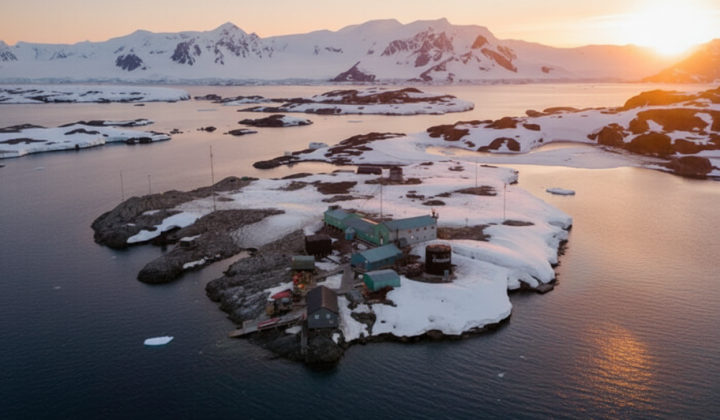
Ukraine's Antarctic Presence
According to Главком: Scientists at Ukraine's Akademik Vernadsky Station in Antarctica are now receiving missile strike notifications, highlighting how the country's foothold in the region serves as a strategic asset. A new polar strategy adopted in 2026 underscores the importance of Antarctic research for national security and foreign policy. The station, renamed after prominent scientist Volodymyr Vernadsky, was acquired by Ukraine from the United Kingdom in 1996 for a symbolic 1 British pound.
A team of 14 Ukrainian researchers currently operates at the station, led by meteorologist Anzhelika Hanchuk. She remarked:
“Someone who fears extreme conditions simply won't go to Antarctica.”
A major milestone came in 2021 with the acquisition of the icebreaker Noosphere, which is now based in South Africa. This vessel significantly expands Ukraine's capacity for polar research. Additionally, Ukraine hosts scientists from Mexico and Colombia at no cost, reflecting its commitment to international scientific collaboration.
Since the outbreak of war, over 30 Ukrainian polar explorers-dubbed "military penguins"-have joined the front lines, demonstrating their dedication to the nation. Among them is electrician Yuriy Lyshenko, who returned to Antarctica after suffering severe injuries and amputations. Their resilience underscores the unyielding spirit of Ukrainian researchers who continue their duties despite immense hardship.
Geopolitical Challenges and International Cooperation
On the global stage, Russia and China have systematically blocked environmental initiatives from Western nations, including those focused on Antarctic conservation. Meanwhile, Ukraine and its allies have thwarted Belarus's efforts to gain voting rights on international platforms, showcasing the country's active role in geopolitical matters. During the Trump administration, the U.S. State Department withdrew from the Friends of Ukraine group, complicating international support for Ukraine's Antarctic interests.
Amid these developments, Russian authorities arrested marine biologist Leonid Pshenychnyi in occupied Crimea, accusing him of treason. This case illustrates the pressure exerted on Ukrainian scientists. As expert Yevhen Dykyi noted,
“Ukraine's mere presence prevents Russia from unilaterally pushing its agenda.”
This reinforces the strategic importance of Ukrainian polar research for national security.
Ultimately, the work of Ukrainian researchers in Antarctica not only advances scientific knowledge but also carries significant strategic weight for the country amid contemporary geopolitical tensions.
Ukraine's presence in Antarctica, especially against the backdrop of rising geopolitical strains, demonstrates how international cooperation and scientific activity can bolster national security. Given Russia and China's interest in controlling resources and environmental initiatives in the region, Ukrainian research could prove pivotal in shaping global environmental policy and countering aggression. This underscores the vital role science can play in international relations and security.
As Ukraine strengthens its presence in Antarctica, the nation's advancements in drone technology may also play a crucial role in bolstering security across Europe. This emerging expertise positions Ukraine as a potential guarantor of stability, particularly in light of ongoing geopolitical tensions. For more insights on how Ukraine's innovations in drone technology are reshaping its role in European security, read our detailed coverage on this topic.

Read also