Field Trials Begin for Cocoa Variety Engineered at University of Pennsylvania to Resist Black Pod Disease by 42%

Breakthrough in Developing a Disease-Resistant Cocoa Bean Variety
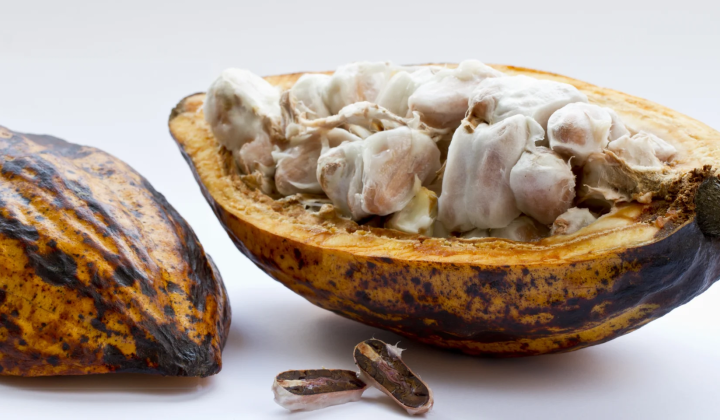
According to НВ — Техно: On November 5, 2023, scientists at Pennsylvania State University announced the creation of a new cocoa bean variety exhibiting a 42% reduction in susceptibility to black pod disease under laboratory conditions. Caused by the pathogen Phytophthora, black pod disease poses a major threat to cocoa production worldwide, decreasing global yields by approximately 30% annually. To enhance plant resistance, researchers introduced precise changes to two nucleotide bases within the cocoa genome, which contains around 450 million bases.
Following genetic editing, traditional crossbreeding was employed to eliminate any foreign DNA sequences from the plants. Notably, these mutated plants are not classified as genetically modified organisms (GMOs) under current U.S. and EU regulations. Field testing of this new cocoa variety is now underway in collaboration with the U.S. Department of Agriculture, taking place in Hawaii and Puerto Rico.
Partnership with AgroNetica for Commercial Development
Penn State researchers have licensed the commercial rights for these black pod-resistant plants to the biotechnology firm AgroNetica. The company intends to scale up production and supply enhanced cocoa varieties to farmers. Future research goals include improving traits such as:
- Heat and drought tolerance;
- Reduction of cadmium accumulation;
- More compact tree forms to facilitate mechanized farming;
- Shorter time to first harvest;
- Development of caffeine-free cocoa strains.
Researcher Mark Gillettin commented, "Our efforts have led to roughly a 42% decrease in disease incidence under controlled laboratory settings."
Alongside colleague Siela Maksimova, the team continues to explore traits linked to climate resilience and overall crop performance. This innovation holds promise for significantly advancing cocoa cultivation by offering practical solutions to longstanding agricultural challenges.
The development of this new cocoa strain represents a critical step toward mitigating the impact of black pod disease-a leading threat to global cocoa supply. Should field trials confirm laboratory results, farmers in key cocoa-growing regions could see substantial yield improvements and economic benefits. Additionally, this project paves the way for further agronomic research focused on adapting agriculture to climate change, a growing concern for food security worldwide.

Read also