Ukraine Extends Electricity Price Cap, Keeping Rates Fixed at 4.32 UAH Until April 2026

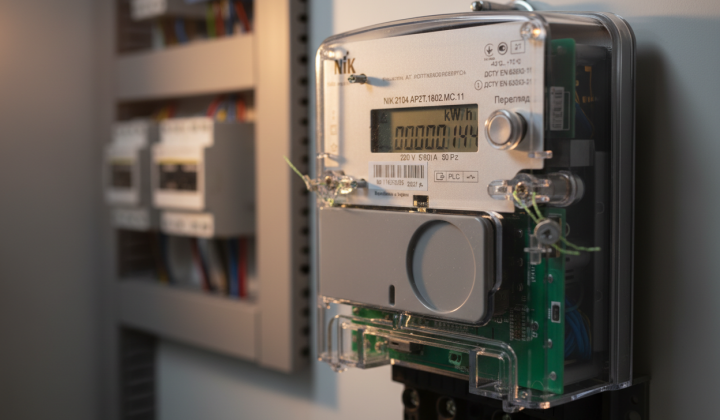
Special Obligations Mechanism Extended for Household Electricity
According to ХВИЛЯ: The Ukrainian government has extended the mechanism for imposing special obligations (PSO), effectively freezing the electricity tariff for households at 4.32 hryvnias per kilowatt-hour until April 30, 2026. This policy maintains the existing preferential categories for consumers who receive power at reduced rates. This measure provides crucial financial predictability for citizens during a period of economic strain.
- Households that use electricity for heating will pay a rate of 2.64 UAH per kWh for consumption up to 2,000 kWh per month.
- Consumers with two-zone meters who use electricity during the night (from 11:00 p.m. to 7:00 a.m.) will pay a reduced rate of 2.16 UAH per kWh.
Despite the stability in electricity prices, data from the State Statistics Service indicates increases in other housing costs. Building management fees rose by 10.9%, waste removal by 4.2%, and housing maintenance and repair costs increased by 3.2%.
Expert Oleksandr Kharchenko noted that maintaining these prices is only a temporary measure.
He stated that the energy system requires billions in investments for repairs following attacks and a systemic solution to debt issues, which is difficult to achieve under the current low-tariff regime.
Ensuring Stability in the Energy Market
The extension of the special obligations mechanism is a vital step for ensuring stability in Ukraine's energy market, particularly amid ongoing economic challenges and war. However, the rise in other household expenses may create an additional burden for families, requiring government attention. The need for investment in energy infrastructure remains a pressing issue, and its resolution will be key to ensuring future tariff stability and the country's energy security.

Read also