Nearly Lost for a Century, the Bankan Slow Loris Rediscovered in Indonesia

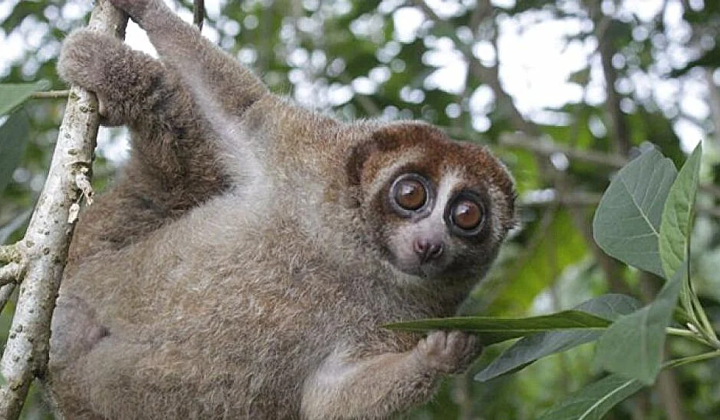
The Rediscovery of the Bankan Slow Loris
According to НВ — Техно: On Indonesia’s Bangka Island, researchers have unexpectedly confirmed the existence of the Bankan slow loris, a poisonous primate with distinctive large eyes that was believed extinct for almost 100 years. This breakthrough came after co-author Timon Glaw consulted with local rescuers, leading to evidence that the species still inhabits the island. Since 2015, the wildlife protection group Alobi has rescued over 90 individuals; 86 of these lorises have been treated and successfully released back into their natural jungle habitats.
Scientific records had not documented the Bankan slow loris since the 1930s, leading experts to consider it either extinct or critically endangered. The International Union for Conservation of Nature (IUCN) had also expressed these concerns. More recently, the conservation organization Re:wild added this elusive primate to its list of the planet’s most sought-after 'lost' species.
Threats Facing the Bankan Slow Loris and Conservation Efforts
Bangka Island’s forests are rapidly shrinking due to palm oil plantation expansion and illegal tin mining, posing a severe risk to the survival of this rare primate. Scientists emphasize the urgent need for genetic studies, population surveys, and the establishment of a dedicated conservation program to protect the species. Langka Sani, a representative from Alobi, remarked:
“While we are thrilled to prove to the scientific community that the Bankan slow loris is still alive, the danger of its extinction remains very real.” – Langka Sani
Monitoring the current population and strengthening conservation initiatives are critical steps to secure the future of the Bankan slow loris. Given ongoing deforestation and other human pressures, researchers and conservationists are calling for immediate measures to safeguard this unique primate.
The rediscovery of the Bankan slow loris marks a significant milestone in wildlife science and conservation, demonstrating that species once feared lost can still persist in the wild. However, in light of the threats driven by human activity, confirming their existence is only the first step; urgent action is essential to ensure their continued survival. This situation demands coordinated efforts from both local and global organizations to create a safe habitat for this extraordinary animal.

Read also