Indonesian Rescuers Relocate 15 Orangutans Amid Widespread Forest Fires on Borneo


Orangutan Rescue Efforts on Borneo
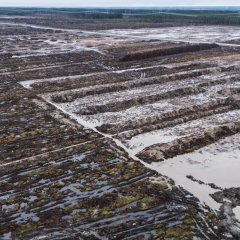
According to НВ — Техно: Over the past month, Indonesian rescue teams have successfully relocated 15 orangutans from areas severely affected by large-scale forest fires on the island of Borneo. These fires, intensified by the dry season and the El Niño climate phenomenon, have triggered a significant environmental emergency. The resulting haze has spread beyond Indonesia’s borders, reaching Singapore and Malaysia, raising concerns among residents in the region.
During the rescue mission, six orangutans were evacuated, including two mothers nursing their infants. These animals were discovered on private plantations in West Kalimantan province, where the fire was dangerously close-just 200 meters away. To prevent injury caused by stress, the orangutans were carefully sedated before being transported to the YIARI rehabilitation center located in Ketapang city.
Environmental Crisis in Numbers
From January through July, forest fires on Borneo and Sumatra have consumed more than 202,000 hectares, according to Indonesian government sources. When including the fires in August, the Nusantara Atlas project estimates that nearly 896,000 hectares have been affected. Greenpeace reports that around 35 million Indonesians live under the threat of toxic haze containing harmful PM2.5 particles.
Approximately 43,000 personnel have been deployed to combat the blazes. Additionally, a Japanese Navy vessel equipped with three helicopters arrived in West Kalimantan to assist firefighting efforts. The European Copernicus Atmosphere Monitoring Service identified the August haze as the worst experienced in the past 24 years for that month.
The forest fires on Borneo and Sumatra highlight the severe environmental challenges facing Indonesia and its neighboring countries. - Source: Environmental Research
These fires not only devastate natural habitats but also pose serious health risks to millions due to air pollution. International aid and cooperation, exemplified by Japan’s support, underscore the urgent need for a collaborative response to this ongoing ecological disaster.

Read also