Israel Unearths 154 Natufian Clay Figurines and a Rare 2,700-Year-Old Stone Seal

Discovery of Ancient Clay Artifacts in Israel
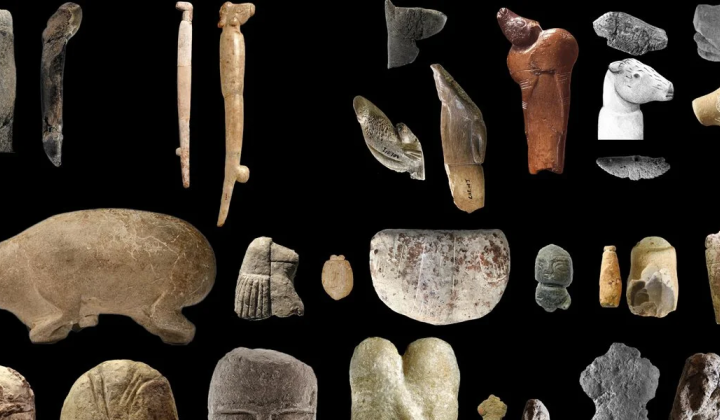
According to НВ — Техно: Archaeologists working in Israel have uncovered 154 clay figurines linked to the Natufian culture, dating back approximately 15,000 to 11,650 years ago. These finds shed new light on some of the earliest examples of symbolic clay modeling in Southwest Asia. The collection includes both figurative shapes and cylindrical fragments, offering fresh insights into Natufian artistic traditions.
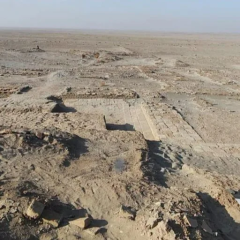
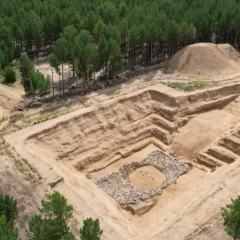
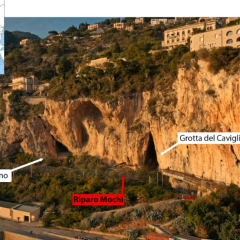
The artifacts were excavated from three key locations:
- El-Wad Terrace on Mount Carmel
- Hayonim Terrace in Galilee
- Einan-Mallaha in the Upper Jordan Valley
Among the discoveries are 15 figurines and 139 cylindrical pieces. Notably, 11 of the 15 figurines portray birds, including waterfowl such as ducks, geese, and swans, as well as birds of prey. Two fragments appear to depict hooved animals, including a gazelle. At Einan-Mallaha, archaeologists found two human-shaped figurines: one representing the upper torso with arms, and another featuring a stylized face possibly adorned with decorative elements.
Many artifacts bear traces of pigment, with red coloring present on 10 of the 11 bird figurines. One piece is covered with a clay slip (engobe), marking the earliest known use of this painting technique. All clay objects were fired, though the exact firing method remains uncertain. Fingerprints and manufacturing marks indicate these items were crafted by both children and adults. Prior to this research, only two Natufian clay figurines were documented in the archaeological record.
Remarkable 2,700-Year-Old Stone Seal Discovered
In addition to the clay artifacts, a light brown stone seal dating to around 2,700 years ago was uncovered in early 2026 during construction of the Ein-Tut transportation interchange in northern Israel. Carved from polished semi-precious stone, this seal likely belonged to a high-ranking official. It is divided into three decorative sections and includes a hole for wearing as a pendant. The upper part features four pomegranates, symbols of royal authority and religious significance in ancient Judea. An inscription in ancient Hebrew reads: "Belonging to Mahah, son of Amihai."
The excavations were conducted by archaeologists from the Israel Antiquities Authority (IAA), who continue to analyze these significant finds that deepen our understanding of cultural practices and human development in antiquity.
These discoveries not only expand knowledge of the Natufian culture but also highlight the importance of symbolic art in early societies. They provide a valuable foundation for future studies exploring the evolution of human creativity and social relations in prehistoric times. Archaeological work in Israel continues to emphasize the region’s role as a vital center of early civilization and cultural innovation.
These recent discoveries in Israel highlight the significance of ancient artistic practices, much like the remarkable findings in Catalonia, where over 280 prehistoric engravings were unveiled. Such artifacts not only enrich our understanding of early human creativity but also demonstrate the diverse cultural expressions that existed across different regions and eras.

Read also