Over 280 Prehistoric Animal and Geometric Engravings Discovered in Catalonia Dating Back More Than 19,000 Years

Significant Archaeological Discovery in Cova de la Font Major Cave
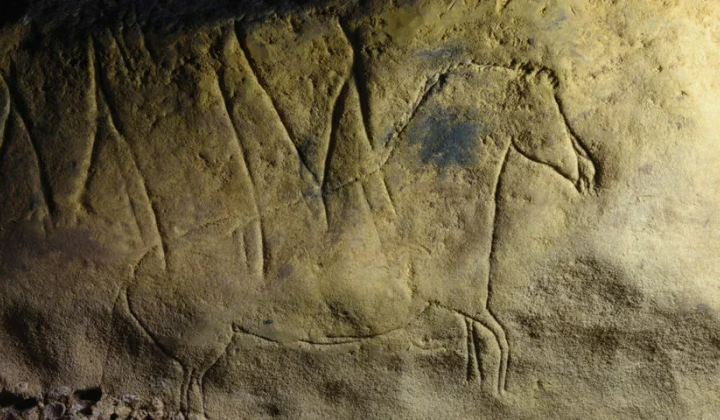
According to НВ — Техно: In Catalonia, researchers uncovered an extraordinary collection of 280 prehistoric engravings inside the Cova de la Font Major cave, with an estimated age exceeding 19,000 years. These carvings, depicting animals and geometric shapes, went unnoticed for years due to challenging lighting conditions and the presence of modern graffiti. Confirmation of their authenticity and antiquity was achieved through radiocarbon dating and stylistic comparisons with other Upper Paleolithic sites.
The cave, located in Catalonia, caught the attention of archaeologist Josep Maria Vergès, who initially spotted vertical lines etched into the walls. Alongside Miriam Salas-Altes, he conducted a formal study that revealed the rich variety of 280 motifs. Among these were:
- 55 animal figures illustrating horses, deer, and even-toed ungulates;
- 40 parallel lines;
- and various other geometric patterns.
Dating these engravings to at least 19,000 years ago places them firmly in the Upper Paleolithic era. Both chemical analysis and stylistic evaluation support their prehistoric origin. As the researchers noted,
"There was no stylistic doubt that these engravings are prehistoric."
Radiocarbon dating further helped establish the timeline of human activity in this location. Interestingly, fewer than 10% of rock art sites in the region feature more than 20 animal depictions, while 75% contain five or fewer.
Comparisons with Other Cave Art Sites
The findings in Catalonia draw parallels to other notable sites such as Cave 19 in Chalcatzingo, Mexico, where three red symbols linked to Teotihuacan civilization settlements and rituals were discovered in the 1980s. Josep Maria Vergès reflected on his experience, stating:
"At the moment of discovery, I felt a mix of excitement from encountering something unexpected and extraordinary, along with deep skepticism."
He also highlighted that "upon entering, I noticed the walls were covered with names and dates engraved by visitors passing through the gallery since 1957."
This remarkable discovery highlights the critical role of rock art studies in shedding light on prehistoric cultures. Archaeological finds like this not only broaden our understanding of human history but also reveal the complexity and richness of ancient cultural expressions. Examining these artifacts provides valuable insight into the social structures and worldviews of the people who lived tens of thousands of years ago.
Similar to the recent discovery in Catalonia, archaeological findings across various regions often reveal significant insights into ancient cultures. For instance, an extensive collection of ceramics unearthed along the Mexico City–Querétaro route sheds light on the period from 400 BCE to 1521 CE. Exploring these rich historical contexts can deepen our understanding of prehistoric art and its cultural significance. To learn more about this fascinating ceramic collection, visit the comprehensive article here.

Read also