Venus's surface may have been 90 percent ocean, scientists now propose

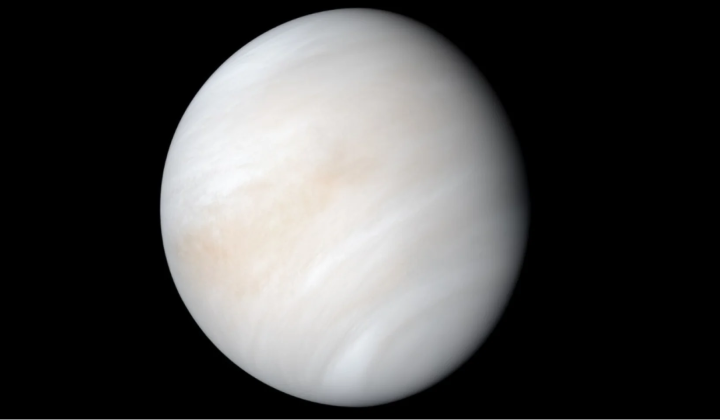
Fresh clues add weight to the idea that Venus once had oceans
According to НВ — Техно: Published: August 3, 6:00 p.m.
About 90 percent of Venus's surface may have been submerged under ancient oceans, according to a new study. Geologist Richard Ghail and colleagues at the University of London came to this conclusion after re-examining radar data collected by NASA's Magellan probe in the 1990s. The team sees geological patterns there that could be the remains of long-vanished seas.
Venus's terrain offers several telling signs
Among the landscape features pointing toward a possible watery past, the researchers highlight:
- Vast areas with polygonal crack networks that resemble formations found in marine seafloor sediments.
- Long channels called canali, some of which run for thousands of kilometers.
- Low ridges across Venus's plains, possibly created by massive salt deposits left behind when the oceans evaporated. These salt layers may have been more than 64 meters thick, according to estimates.
If the ocean scenario is correct, Venus would have held about 40 percent of the water volume found in Earth's modern oceans. The researchers believe Venus's oceans disappeared less than a billion years ago, likely because of a runaway greenhouse effect. In present-day Venus, surface temperatures are hot enough to melt lead, the atmosphere is dominated by carbon dioxide, and clouds contain sulfuric acid.
The study's authors caution that none of the evidence is definitive by itself; NASA's VERITAS and ESA's EnVision missions should be able to put the hypothesis to the test.
These spacecraft could deliver new data that either confirms or rules out the existence of ancient oceans on Venus.
The findings open up fresh avenues for studying Venus's evolution. If future missions verify them, our understanding of the planet would shift dramatically, and that deeper knowledge could also illuminate the prospects for life beyond Earth. By analyzing these geological clues, scientists may learn about the climate that once defined Venus and the broader processes that shape rocky planets over time. Understanding such changes on Venus can also help explain why some rocky worlds become hostile while others remain habitable.

Read also