Researchers Discover Galerina indica Mushroom Containing Both Psychoactive Psilocybin and Deadly Amatoxins

A Biological Mystery Uncovered
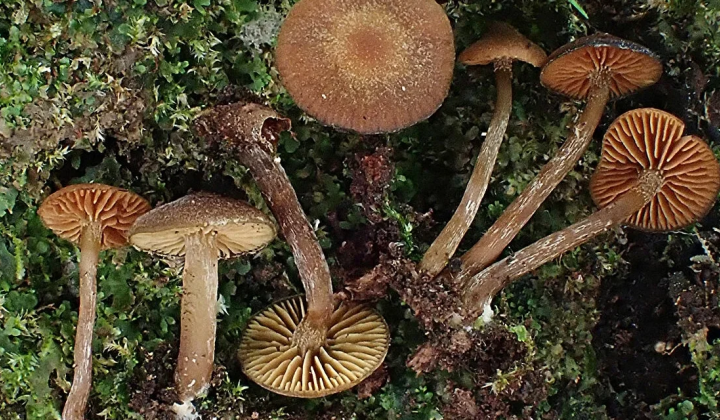
According to НВ — Техно: Scientists have identified a mushroom species, Galerina indica, that uniquely produces both the hallucinogenic compound psilocybin and lethal amatoxins. Originally discovered in India over a decade ago, this rare fungus was recently studied using samples collected from moss-covered palm trunks in the marshy regions of Florida. The findings were published in the journal Current Biology.
Distinctive Features of Galerina indica
Belonging to the Galerina genus, which includes some of the deadliest mushrooms like the deadly Galerina marginata, G. indica stands out due to its dual production of toxic amatoxins-known to cause severe liver damage and fatal poisoning-and psilocybin, a substance famous for its mind-altering effects. Genetic analysis suggests that this combination arose through horizontal gene transfer, with the mushroom’s ancestor first acquiring amatoxin-related genes before later gaining the ability to synthesize psilocybin.
While the blue staining observed when the mushroom is cut indicates the presence of psilocybin, it should not be interpreted as a sign of safety. The exact toxicity level of Galerina indica in humans remains unknown, making it potentially highly dangerous. This discovery highlights the critical need for caution when encountering unfamiliar mushroom species that may harbor both psychoactive and toxic compounds.
The revelation of Galerina indica and its extraordinary biochemical profile raises important questions about fungal evolution and their impact on human health. As new mushroom varieties continue to emerge in various markets, awareness and careful identification are essential to prevent accidental poisonings. This breakthrough also opens new avenues for mycological and pharmacological research aimed at unraveling the mechanisms behind the coexistence of toxic and psychoactive substances in fungi.

Read also