How to Choose Interior Doors for Modern Renovations: Types, Styling Tips, and Installation Planning

Selecting Interior Doors
According to Рубрика — Суспільство: Choosing the right interior doors is a crucial part of any contemporary renovation, as they shape the flow of a room, influence how walls are perceived, and affect the overall spatial feel of a home. With a wide range of door styles available, it's possible to find the perfect fit for each room, taking into account its specific function and how the door complements other interior details.
Door Styles and Their Unique Features
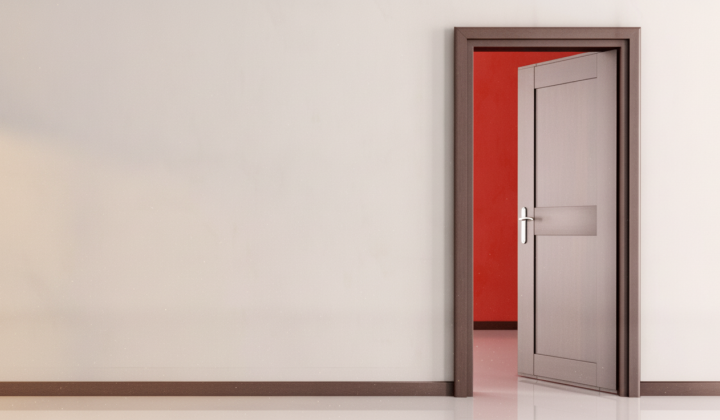
Traditional doors with frames and trim remain a versatile choice, suitable for bedrooms, children's rooms, home offices, kitchens, and bathrooms. Their main advantage lies in easier installation. For minimalist interiors, smooth door panels without intricate decorations are preferred. Concealed doors, which feature frames integrated into the wall and lack visible trim, offer a nearly seamless look. These are ideal for corridors with multiple openings, walk-in closets, offices, and modern bedrooms. Planning for concealed frames should be done before finishing the final wall surfaces.
Wooden doors bring natural texture and a distinctive appearance, making them a great option for living rooms, bedrooms, and private areas. Natural materials add warmth and character, especially in sleek, understated environments. It's recommended to echo the wood tones in furniture, countertops, open shelving, or flooring. Using identical doors can simplify design coherence, but mixing different styles within one interior is also possible. When combining doors, consider matching:
- handle colors
- door panel proportions
- shade palettes
- wood textures found in furniture or flooring
While standard door heights are still widely used, taller doors are increasingly popular. High doors create a sense of elevated ceilings and a unified wall surface. This effect is especially striking with concealed door systems that omit the horizontal trim. Hardware can unify various door types; for example, black handles work well on both concealed and traditional doors, while brass fixtures complement warm wood tones. It’s essential that hinges, handles, and locks are matched to the door’s weight and frequency of use-heavy wooden doors require more robust hardware than lightweight models.
Deciding on door type should happen before plastering and painting begin. Prior to finalizing finishes, it’s important to confirm the door design, dimensions and height of openings, swing direction, locations of switches and furniture, as well as the colors of door panels and hardware. Key factors to align include:
- door panel shades with flooring and furnishings
- handle colors with other hardware
- trim style in harmony with the overall décor
- swing direction coordinated with room layout
In summary, carefully selecting interior doors can significantly enhance both the aesthetic and functionality of a space, emphasizing its style and personality.
Interior door choices impact not only a room’s look but also its practical use, as different door types suit varying conditions. The growing trend toward concealed and tall doors reflects a desire for modern, elegant interiors that balance style with utility. Since home renovations can be lengthy and complex, paying close attention to details like door type, color, and hardware is key to achieving a harmonious and polished result.

Read also