Types of grave monuments: choosing the form, material, and care rules

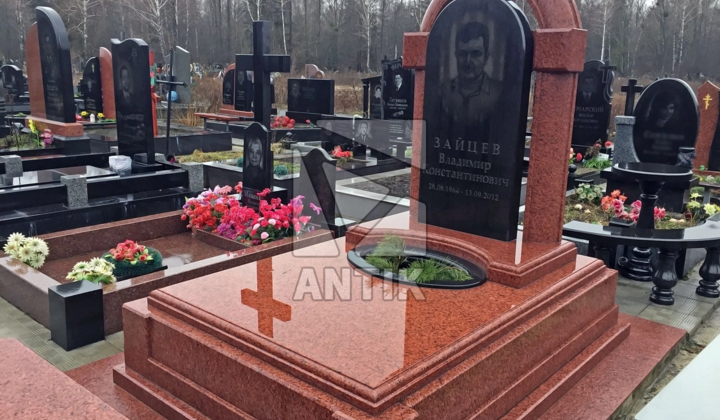
A monument can honor the memory of the deceased. Moreover, it is a necessity, at least in Ukraine, where a monument at the grave is a kind of tradition. There are now many options for monuments that differ in design, material, and numerous other details. To navigate the choice, first determine the key parameters of the monument: its form and material. In this article, we will discuss all these parameters.
Grave Monuments: Diversity of Forms and Sizes
Grave monuments come in a vast assortment https://antik.ua/pamyatniki/. There are both template (standard) options and more individual and even elite ones, made according to a carefully thought-out sketch. Ideally, the monument should reflect the personality of the deceased, so it is worth personalizing it as much as possible. You can choose monuments of various shapes, with decorations, photographs, epitaphs, and other decorative elements. Upon request, you can select a gravestone of various sizes: from miniature to life-size stelae.
Gravestones, besides standard rectangular slabs, can take the form of:
- hearts: suitable for people who died at a young age or for double monuments where a married couple is buried;
- books: an ideal option for people who were writers in life;
- angels: often chosen for graves where children or again young people are buried;
- crosses and other forms.
Depending on the number of graves, it is possible to install single and double monuments, as well as arrange memorial complexes. Elite full-size monuments are also made.
In honor of the deceased's religion, you can install an Orthodox, Jewish, Muslim, and any other monument with religious attributes. Owners of pets who were very attached to their pet can also place a gravestone on its grave. Monuments for animals are small in size.
Assortment of Materials for Monuments
When choosing a grave monument, the first thing to start with is the choice of material. Various materials are used for making monuments. Natural stones differ in durability and maintain an attractive appearance for several decades or even centuries.
Below are examples of natural materials.
- Granite. The unique pattern of the rock changes depending on the percentage ratio of components: quartz, mica, and feldspar. It does not fear temperature fluctuations, withstands any natural cataclysms without cracks or chips. It lasts several decades and even centuries. The downside is the high price of the material, but it is fully compensated by its durability. If you analyze the monuments in any cemetery, most of them are made of granite (at least 80%).
- Anorthosite. A rock with high density and coarse-grained structure. Resistant to moisture and temperature fluctuations. Shades range from light gray to black tones. The downside is that it is rarely possible to manufacture a solid monument from anorthosite due to the blockiness of this rock.
- Basalt. A fine-grained black rock, sometimes with a pleasant greenish hue. It is characterized by its strength, and inscriptions and polished portraits adhere very well to it. The downside is its low fire resistance. But in the ritual sphere, this drawback does not play a significant role.
- Gabbro. A homogeneous black magmatic rock without inclusions. It is resistant to cracks, scratches, chipping, moisture, and chemicals. The downside is that in terms of service life, it lags behind granite. But it can easily last around 130 years without changing its appearance. And its cost is slightly more affordable.
The choice of material depends on individual preferences. To save money, it is advisable to buy granite and other rocks directly from the supplier. This way you won’t have to pay intermediaries. Also, keep in mind that the manufacturer should have its own stone quarries, so you can see different samples and also ensure their quality.
Labradorite and Marble: Bright Inclusions and Interesting Structure
Monuments made from stones with colorful inclusions, veining, and color play are in demand. Two materials can be highlighted separately.
Labradorite
A black rock with an olive undertone and inclusions of blue, green, and light blue colors. It polishes excellently, acquiring a mirror surface. A frost-resistant material that is resistant to corrosion. Its disadvantages include the fact that to maintain the impressive mirror appearance of the monument, it must be frequently wiped from dust.
Marble
A malleable material – a type of fine-grained limestone. It ranges from strict black-and-white shades to green, red, and other tones. It features a unique pattern with veining, inclusions, and iridescence. The disadvantage is its susceptibility to sharp temperature fluctuations. Marble is often found on the graves of famous people. Such memorials look very majestic, and in principle, with proper care, they can last at least half a century
Monuments made of labradorite and marble look very impressive due to their unique patterns and inclusions.
Care for Gravestones: Some Tips
As a rule, after the installation of the monument, regardless of the type of stone it is made from, it does not require special maintenance. However, it is still advisable to follow certain recommendations for caring for monuments.
- Remove dust and dirt from the memorial with a soft cloth or sponge.
- Do not use abrasive materials and stiff brushes for cleaning – they may leave scratches on the surface of the monument.
- To protect the marble monument, it can be coated with a special protective agent.
- Remove moss and vegetation from the grave.
With these simple tips, you can give the burial place a neat and well-kept appearance. Regardless of the shape of the monument, its material, and color, timely preventive inspection and timely removal of contaminants are necessary.