How War is Impacting Ukrainian Children's Mental Health and the Vital Support Provided by Care Academy NGO

War’s Toll on the Mental and Emotional Well-being of Children in Ukraine
According to Рубрика — Суспільство: The ongoing conflict in Ukraine has severely affected the psychological health of children, posing long-lasting risks to their overall well-being and development. According to UNICEF, 32% of Ukrainian households report signs of psychosocial distress among children, while 86% of kids under six experience symptoms of anxiety or stress. Over 2.59 million children remain displaced within Ukraine, which further complicates their emotional and mental stability. The World Health Organization (WHO) finds that approximately 22% of individuals who endure war suffer from mental health disorders.
Childhood trauma can have profound implications on future health, increasing the likelihood of conditions such as cardiovascular disease and diabetes, often manifesting 2 to 3 years earlier compared to those without trauma history. The economic consequences of these childhood experiences are significant, as illustrated by:
- In Peru, exposure to war during the first three years of life resulted in a 5% reduction in adult earnings.
- WHO estimates that countries can lose between 1.1% and 6% of their GDP annually due to the long-term effects of childhood trauma.
Psychological Support Initiatives by Care Academy
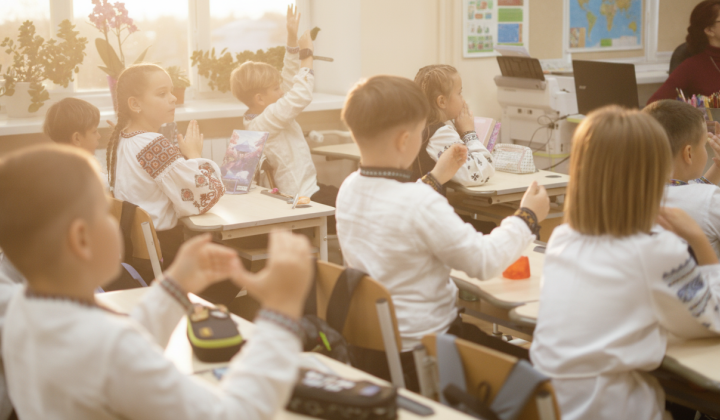
Addressing these challenges, the nonprofit organization Care Academy ('Академія Турботи') delivers crucial psychological support programs aimed at fostering emotional growth in children and their families. Their flagship projects, 'Lessons of Care' and 'Here and Now,' serve as pillars of this effort. 'Lessons of Care,' developed in collaboration with Darya Herasymchuk, targets children aged 5 to 10. Since the start of the school year, nearly 400 educational institutions across Ukraine have adopted this initiative. Surveys show that 46% of teachers observed enhanced emotional support among students, 38% noted a decrease in conflicts, and 27% reported children becoming more open about expressing their feelings.
The 'Here and Now' project offers psychological assistance to children aged 4 to 10 and their families who have been most affected by the war. This program incorporates the MaPanda app, featuring animated characters like Carrot and Pascal the Cat-the first animated character with a disability in Ukraine. Since 2022, Care Academy has supported over 7,000 children and families, involving more than 1,300 educators in its programs.
Olha Kartuzova, a practicing psychologist at Sumy School No. 21, utilized online exercises and family assignments through the project, creating a safer space for children to express their emotions. Anastasia Svoboda, an expert with Care Academy, highlighted the approach:
“While we cannot promise children that the sirens will never sound again, we can equip them with internal coping skills to manage a reality beyond our control.”
Through these initiatives, Care Academy plays an essential role in supporting Ukrainian children and families grappling with the war’s psychological aftermath.
Efforts like those of Care Academy are critical during wartime, as they not only reduce stress levels in children but also build emotional resilience. Providing psychological care under such extreme conditions can greatly improve children’s quality of life and lower the chances of developing severe mental health disorders later on. The outcomes of these programs also pave the way for future research and advancement in child mental health support within Ukraine.
The impact of war on children extends beyond immediate trauma, prompting innovative educational approaches to help them cope. For instance, fourth graders at Kyiv Lyceum No. 179 developed time management skills during air raid alerts, showcasing resilience and adaptability amidst chaos. Such initiatives highlight the importance of structured support in fostering mental well-being for young Ukrainians affected by conflict.

Read also