Honey-Smeared Soles: The Viral Rite's Origins Are Russian, Not Ukrainian

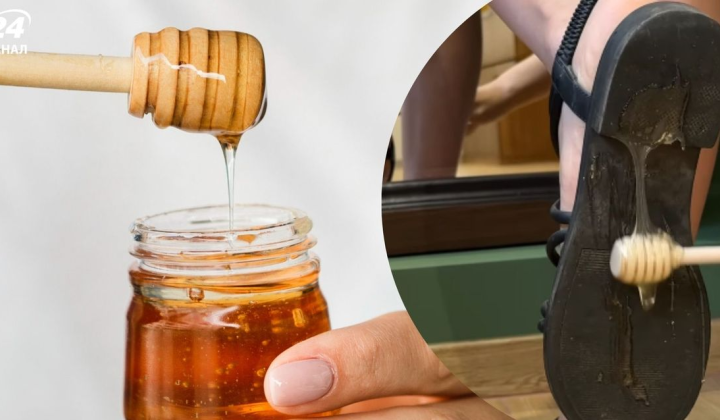
A Honey-on-the-Soles Ritual Is Not Ukrainian
According to 24 канал — Lifestyle: A practice circulating in social media instructs women to spread honey on the bottoms of their feet in order to attract a wealthy fiancé. The claim that this is a Ukrainian tradition, however, does not hold up. The rite is actually rooted in Russian domestic magic. In Ukrainian customs, honey was consecrated in church for the feast of Makovia. As viral trends spread quickly online, checking the real origins of such practices has become more important than ever.
What Ukrainian Tradition Actually Says
There is no evidence of a honey-on-soles ritual in Ukrainian folk culture around the Spas holidays. The earliest traces of this practice show up in Russian urban and rural household-magic traditions. Russian ethnographic records suggest spreading honey on a threshold, footwear, or clothing for Medovyi Spas (Honey Savior) or Yablochnyi Spas (Apple Savior), which is foreign to Ukrainian customs.
In Ukraine, honey was brought to church to be blessed on Makovia, also known as the Honey Savior, together with herbs and water. The first Spas, called Makovii, falls on August 1 in the New Julian calendar. That day marks the start of the Dormition Fast, known in Ukrainian as Spasivka, which lasts until the Feast of the Dormition. Traditional culture forbade weddings, church marriage ceremonies, matchmaking visits, and noisy celebrations during this fast. In Ukraine, the season for matchmaking normally began only after the Dormition of the Mother of God.
At the August feasts, girls washed themselves with dew, blessed their protective charms known as 'makoviichyky,' wove harvest wreaths, and braided viburnum into them. Honey was shared with guests on Spas, used to bake flat cakes, and given to the poor. This shows how differently honey functioned in Ukrainian culture, compared with the viral sole-smearing ritual.
The conclusion is clear: applying honey to the feet is not part of Ukraine's cultural heritage. Its origins lie in Russian magic, not in Ukrainian tradition. Recognizing the difference helps prevent foreign practices from being mistaken for native customs.
The episode is a reminder that when cultural practices are mixed up or mislabeled, distinct identities can be obscured and their true meanings lost.
For Ukraine, a country with deeply rooted traditions, preserving authenticity means not losing what makes its heritage unique. It also means paying attention to where information comes from, especially when online trends can easily distort the past.
As the discussion around traditional customs evolves, it's essential to understand the changes in cultural practices. Recently, Ukrainian churches have made a significant adjustment to their calendar, moving the celebration of the Honey Savior to early August. This shift highlights the importance of recognizing authentic traditions and their impact on contemporary society.

Read also