U.S. Diplomat's Second Trip to Transnistria Signals Scrutiny of Regional Shifts

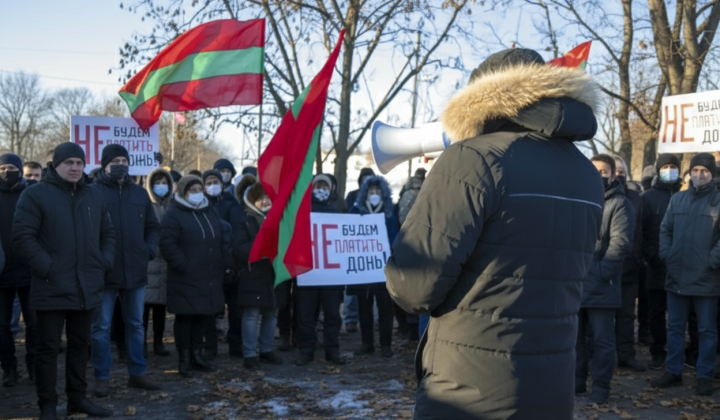
Christopher Smith's Diplomatic Mission to Chisinau and Tiraspol
According to Главком: U.S. Deputy Assistant Secretary of State for Eastern European Affairs, Christopher Smith, has concluded a visit to Chisinau and Tiraspol, marking his second trip to the breakaway region of Transnistria. His first visit occurred a year and a half ago, focused on preparations for a congress of deputies aimed at reviving the results of a 2006 referendum. This latest diplomatic engagement comes amid significant regional realignments following Russia's full-scale invasion of Ukraine in February 2022, a conflict that has reshaped security calculations across Eastern Europe.
Moldova's Strategic Reorientation Since 2022
Since February 24, 2022, Moldova has undergone tectonic shifts, accelerating in 2025. The country has virtually ceased purchasing Russian gas, and electricity from the Moldovan GRES power plant now constitutes no more than 20% of its energy balance. Major political changes have also unfolded:
- Key figures, such as Plahotniuc, are now imprisoned;
- Elections in Gagauzia have been postponed indefinitely;
- Moldovan President Maia Sandu has made statements regarding potential unification with Romania, a prospect supported by 56% of Romanians according to a recent sociological study.
Observers note that Russia currently possesses few remaining levers of influence over Moldova, aside from potentially escalating tensions in Transnistria. This suggests possible informational campaigns aimed at inflaming the conflict. Smith's visit can be interpreted as a signal that the United States is closely monitoring these developments. In theory, elections for the so-called president of Transnistria are scheduled for December 2026, though no official date has been set. Concurrently, there is a possibility the Kremlin is considering another referendum, which could lead to a push for Transnistria's recognition.
This diplomatic mission underscores the critical importance of regional stability and Moldova's ongoing political transformation against a backdrop of global geopolitical challenges. U.S. attention to Transnistria highlights a vested interest in supporting democratic processes and preventing conflict escalation, which holds significant implications for security in Eastern Europe. In this context, the future actions of not only Moldova but also Russia, which may seek to draw the region into new conflicts to preserve its influence, warrant close observation.

Read also