Expert Warns: U.S. Domestic Politics Puts Long-Term Alliances at Risk

How a Nation's Internal Politics Shapes Its Global Strategy
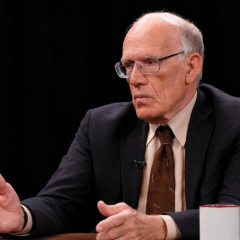
According to ХВИЛЯ: In a discussion with political analyst Yuriy Romanenko, international policy expert Ilia Kusa highlighted a critical challenge for long-term strategic planning among allies. He explained that the internal political cycles and shifting elites in guarantor states like the United States create significant uncertainty. This inherent unpredictability makes it difficult for such nations to commit to promises that span many years, as the domestic political landscape can transform entirely.
"In other words, it's hard for you to promise something that will be relevant 5 or 10 years from now," stated Ilia Kusa.
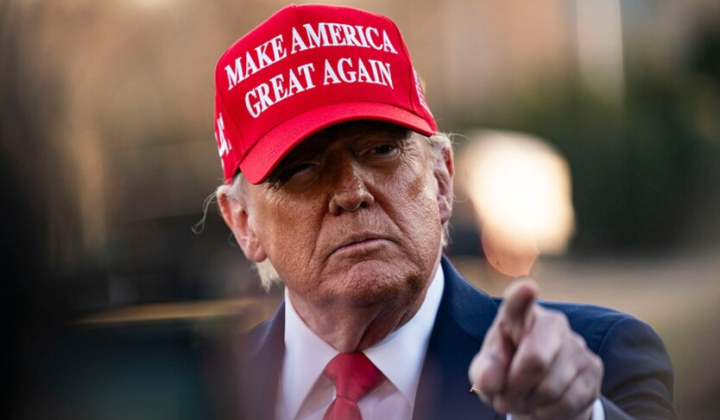
Kusa pointed to former U.S. President Donald Trump as a prime example, noting that a new administration can enact radical shifts in the country's foreign policy direction. The expert emphasized that even when formal treaties are signed with major powers, the risk of policy reversals remains, potentially leading to unforeseen consequences for partner nations. This dynamic is a constant feature of modern geopolitics, where domestic agendas frequently collide with international commitments.
"[A president] could leave NATO one day and bomb someone the next," Ilia Kusa remarked.
Kusa also raised the possibility of the U.S. altering its stance toward Iran, which could leave an ally like Israel to confront new security challenges alone. These scenarios underscore the complex and often volatile nature of contemporary international relations, where long-standing partnerships are not immune to sudden change.
The Global Ripple Effect of Domestic Political Shifts
Internal political changes within major powers, particularly the United States, can have profound effects on global policy and the stability of international alliances. Consequently, nations that depend on American support must prepare for potential shifts in Washington's foreign policy agenda. Should a new government adopt a radically different approach, it could generate fresh security dilemmas and reshape the international order, forcing allies to rapidly adapt their own strategies.
As shifts in domestic politics can lead to significant alterations in foreign policy, understanding the potential implications of a Trump administration's influence on global alliances becomes increasingly vital. The uncertainty surrounding U.S. commitments, especially regarding allies like Ukraine, highlights the need for nations to adapt to these evolving dynamics.

Read also