The Soviet Regime's Victim: The Unbreakable Genius of Volodymyr Ivasiuk

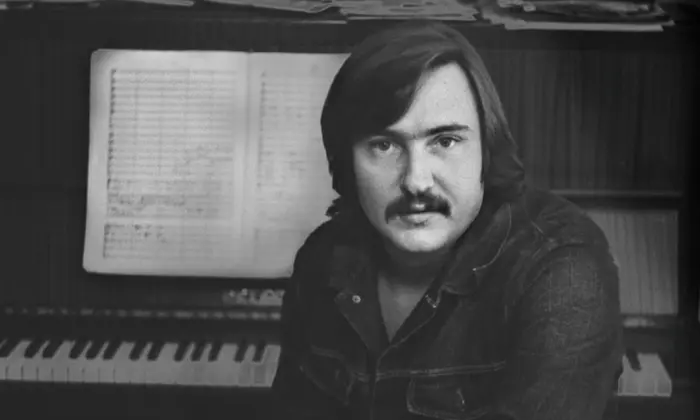
The Life and Work of Volodymyr Ivasiuk
According to Главком: Volodymyr Ivasiuk, born on March 4th, was a preeminent Ukrainian composer whose legacy profoundly shaped the nation's musical culture. His life was tragically cut short at just 30 years old, yet in that time he created nearly 150 songs that gained popularity both within Ukraine and internationally. A man of diverse talents, Ivasiuk was not only a composer but also a trained physician and a painter. He was a multi-instrumentalist, proficient on the violin, piano, guitar, and cello.
His early works were presented to the composer Levko Dutkivsky, a pivotal moment for his career. Ivasiuk's songs were performed by popular artists and ensembles, most notably the VIA Smerichka, featuring soloists Nazariy Yaremchuk and Vasyl Zinkevych. Many of his compositions were written under a pseudonym, adding an aura of mystery to his output. His most famous song, 'Chervona Ruta' (Red Rue), has served as the official anthem of the Ukrainian national football team since 2018.
Ivasiuk collaborated closely with Sofia Rotaru, releasing a giant vinyl record featuring 12 of his songs. The first Ukrainian musical film, also titled 'Chervona Ruta', was shot in Yaremche, starring Rotaru and Vasyl Zinkevych. His music reached a global audience, with his record also being released in the United States.
A Tragic Fate and Enduring Legacy
However, the composer's life ended in tragedy. Volodymyr Ivasiuk disappeared on April 24, 1979. His body was discovered on May 18, 1979, in the Briukhovychi Forest near Lviv. The official investigation suggested suicide, but a forensic examination concluded he could not have hanged himself. The circumstances of his death remain shrouded in suspicion and unanswered questions. Authorities long denied permission for his burial at Lychakiv Cemetery, further deepening the mystery surrounding his fate.
Ivasiuk left behind a monumental legacy, his work becoming a cornerstone of Ukrainian musical history. His own words powerfully capture his cultural stance:
“The French, Italians, Russians, and all other peoples sing in their own languages, and no one calls them nationalists. But we Ukrainians are considered nationalists from the cradle if our mothers sing us Ukrainian lullabies. That is why they 're-educate' us in concentration camps.” - Volodymyr Ivasiuk
This statement underscores the importance of Ukrainian culture and identity, which he championed through his music.
Among his most renowned songs are:
- Vidlitazhy Zhuravli (The Cranes Have Flown Away)
- Ya Pidu v Daleki Hory (I Will Go to the Distant Mountains)
- Vodohrai (Fountain)
- Pisnia Bude Pomizh Nas (The Song Will Be Among Us)
- Dva Kolory (Two Colors)
- Lysh Raz Tsvite Liubov (Love Blooms But Once)
- Balada pro Malvy (Ballad of the Mallows)
- Kolyyskova (Lullaby)
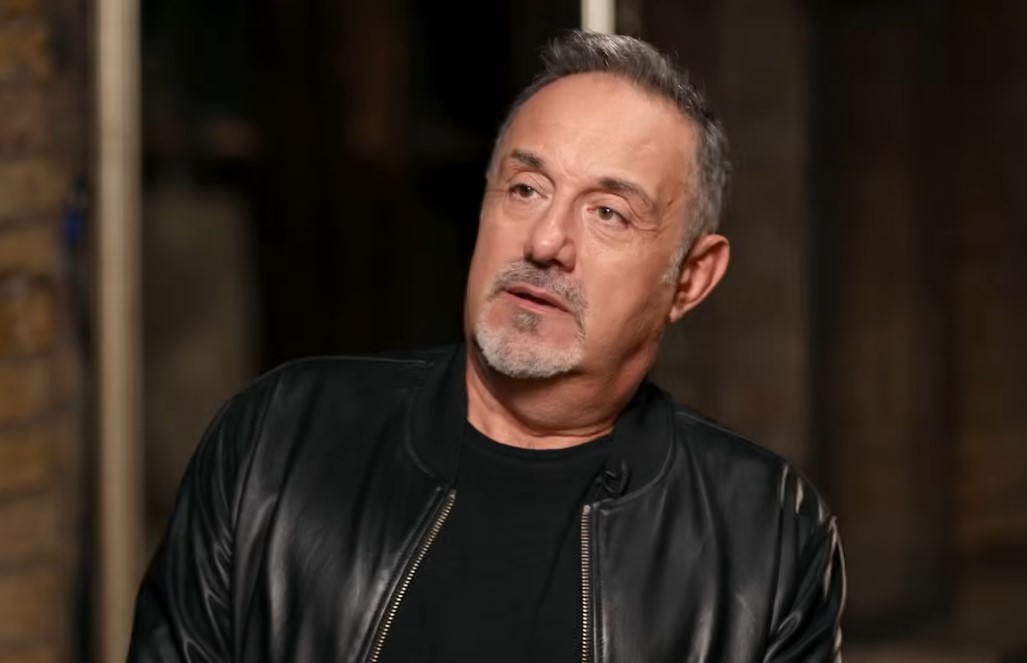
His songs continue to live in the hearts of Ukrainians and are performed by contemporary artists, including the band 'Plach Yeremiyi' (Jeremiah's Lament), Toto Cutugno, and Vakhtang Kikabidze. Volodymyr Ivasiuk is a name forever etched in the memory of the Ukrainian people.
Ivasiuk's work became a symbol of Ukrainian musical identity, and his songs are still performed and revered by new generations of artists. The mysterious circumstances of his death and the lack of official recognition during his lifetime only amplify the significance of his cultural contribution. Today, Ivasiuk is not merely a legend of Ukrainian pop music but a pivotal figure in the context of national revival and the struggle for Ukraine's cultural autonomy. His story resonates deeply in a country that has long fought to preserve its cultural voice.

Read also