The Guardian Investigates Zelenskyy's Pre-Invasion Strategy

The Guardian's Investigation
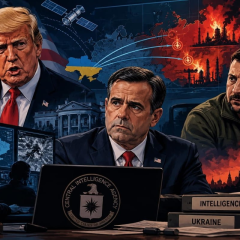
According to ХВИЛЯ: A new investigation by the British newspaper The Guardian examines the actions of Ukrainian President Volodymyr Zelenskyy in the lead-up to Russia's full-scale invasion on February 24, 2022. The report analyzes why the government did not issue a public warning about the imminent threat of war and explores the potential consequences of this decision. This scrutiny comes as the world continues to assess the critical early days of the conflict.
In January 2022, Zelenskyy recorded a video address to Ukrainians, urging them to remain calm and emphasizing the need to "take a deep breath, calm down, and not rush to stockpile food and matches." Despite escalating tensions on the border with Russia and growing concern expressed by international partners, the president did not initiate a public mobilization of the population.
Analysis of the Situation
For its investigation, journalist Shaun Walker conducted over 100 interviews with intelligence officers, military personnel, and diplomats from several countries. Their accounts suggest that an early public warning about the war could have triggered widespread panic. A General from Ukraine's Main Intelligence Directorate (GUR) stated:
"If he had started talking about the approaching war, ordered everyone to prepare-society would have panicked and millions would have fled. The country, most likely, would not have withstood it." - GUR General
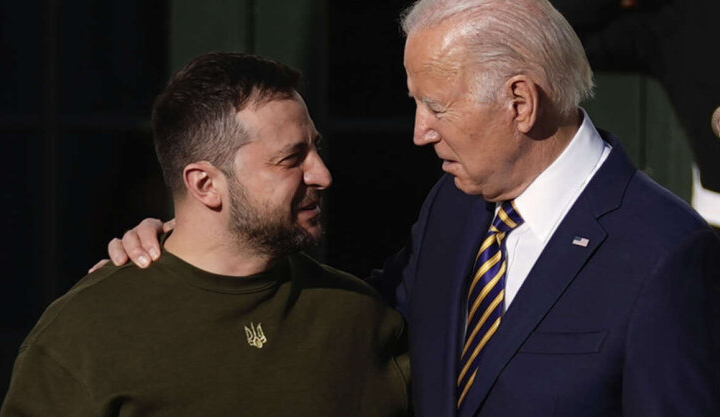
Following the invasion's start, U.S. President Joe Biden urged Zelenskyy to leave Kyiv, but the Ukrainian leader chose to remain in the capital. These circumstances highlight the immense complexity of the situation faced by Ukraine's leadership in the face of Russian aggression. The choices made during this period continue to be debated by military analysts and historians.
The investigation raises significant questions about the Ukrainian government's communication strategy under the threat of war. The absence of public warnings about the potential for invasion, coupled with the president's decision to stay in the capital during hostilities, points to the profound challenges Ukraine confronted. Analyzing these events provides a clearer understanding of how the historical context and military reality influenced decision-making by Ukrainian leadership at a critical juncture. It also underscores the vital importance of strategic planning and crisis communication when national security is at stake.

Read also