Zelenskyy Urges Russia to Follow US-Iran Ceasefire Example

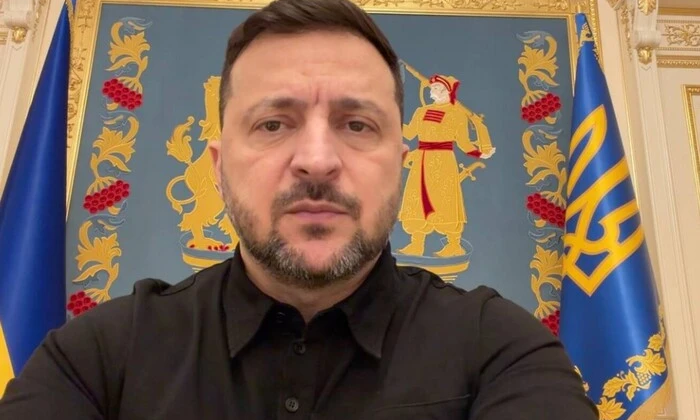
Ukrainian President's Statement on the Ceasefire Agreement
According to Главком: Ukrainian President Volodymyr Zelenskyy has called on Russia to take a similar step after commenting on the recently announced ceasefire between the United States and Iran. Media reports indicate the US declared a two-week truce with Tehran, under which Iran agreed to halt hostilities. Furthermore, the Strait of Hormuz will be partially reopened, a move with significant potential to impact international trade and regional security.
US President Donald Trump had set a deadline for Iran, which expired at 03:00 Kyiv time on the night of April 7-8. Amid the de-escalation, Israel also agreed to a temporary ceasefire. Separately, Pakistan has offered to host the first direct talks between Iran and the US in Islamabad on April 10, a potential milestone for dialogue between the two nations. This development in the Middle East is being closely watched globally, as regional instability often has far-reaching economic consequences.
“A ceasefire is the right decision that leads to the end of war. It saves lives, prevents the destruction of cities and villages, and allows power plants and other infrastructure to function normally. This provides the time and necessary conditions for diplomacy to yield results.”
Volodymyr Zelenskyy
Zelenskyy stressed the critical importance of a cessation of hostilities. He noted Ukraine's readiness for a reciprocal response if Russia halts its strikes: “It is obvious to everyone that a ceasefire can create the right preconditions for agreements.”
Global Implications of the Middle East Situation
Zelenskyy highlighted the worldwide consequences of the Middle East situation: 'The situation in this region has a global impact: any threats to security and stability in the Middle East and the Gulf amplify challenges for the economy and cost of living in every country.'
He emphasized the necessity of guaranteeing security and considering the interests of every nation when determining post-war conditions. Protecting freedom of navigation in the Strait of Hormuz was also underscored as a matter of decisive global importance.
Against this backdrop, global oil prices have fallen sharply, signaling a positive market reaction to the news of de-escalation. Thus, the regional situation and steps taken by world leaders can have substantial consequences for the international economy and political stability. The interconnected nature of global energy markets means developments in the Gulf directly affect consumers and industries worldwide.
The US-Iran ceasefire agreement, alongside Zelenskyy's call for analogous action from Russia, underscores the value of peaceful initiatives in the context of global security. The market's reaction through lower oil prices indicates the international community's hope for further conflict de-escalation, which could lead to stabilization not only in the Middle East but in the world economy overall.
As tensions continue to rise, Zelenskyy's emphasis on the necessity of a ceasefire highlights the broader implications for Ukraine's security. His warning regarding potential territorial concessions underscores the delicate balance of power in the region. For a deeper understanding of how any retreat could lead to renewed Russian aggression, see more about his stance on the risks of territorial withdrawal.

Read also