Zelenskyy Holds Emergency Meeting Amid Energy Crisis, With Nearly 1,400 Kyiv Buildings Lacking Heat

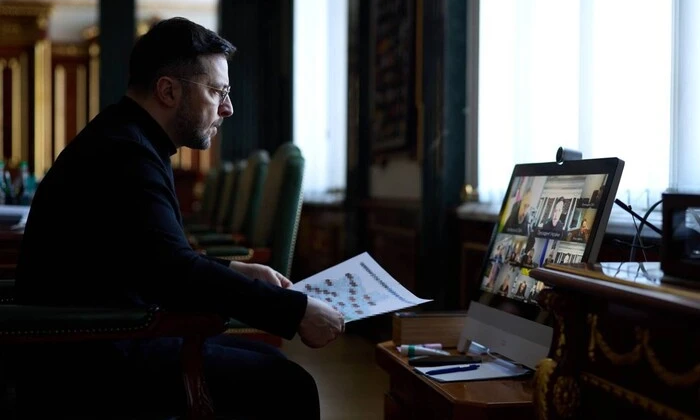
Ukrainian President's Emergency Briefing
According to Главком: On February 10, 2026, Ukrainian President Volodymyr Zelenskyy convened an emergency meeting to address a critical situation within the nation's energy system. The ongoing war has placed immense strain on Ukraine's power infrastructure, making such crises a recurring challenge. The discussion focused on widespread electricity supply issues, with the most severe problems reported in the Sumy, Kharkiv, and Poltava regions, as well as in the city of Kryvyi Rih in Dnipropetrovsk Oblast. In the capital, nearly 1,400 residential buildings currently remain without heating.
Need for Swift Action
Zelenskyy stressed the urgent need for local authorities to respond promptly to prolonged power outages. He noted that not all communities are resolving these issues in a timely manner, and appropriate conclusions must be drawn from these failures. The President emphasized that local government responses to crises are often delayed, which severely complicates daily life for citizens.
Furthermore, Zelenskyy highlighted the critical importance of enhancing the operational readiness of the Ukrainian Air Force. This is vital for improving the defense of Kharkiv Oblast and other regions bordering Russia against drone threats. He underscored that Ukraine has no time for hesitation, and all elements of the Air Force must be prepared for immediate action.
In certain communities within Odesa Oblast, additional measures are being implemented to support residents whose homes rely on electric heating. The President emphasized the importance of local authorities providing a clear and effective response to ensure these citizens are cared for. The discussions at the emergency meeting underscore the pressing need to resolve Ukraine's systemic energy problems, which requires coordinated action at all levels of government.
The energy supply situation in Ukraine remains critical, especially during winter when the demand for heating peaks. The necessity for rapid responses from both local authorities and military structures highlights the need for coordinated action to ensure citizen safety and comfort. The persistence of these power supply issues points to a deeper need for reforming the nation's energy infrastructure and improving crisis management mechanisms.

Read also