Rising Demand for Charging Stations in Ukraine Amid Power Outages: Essential Tips to Extend Battery Life

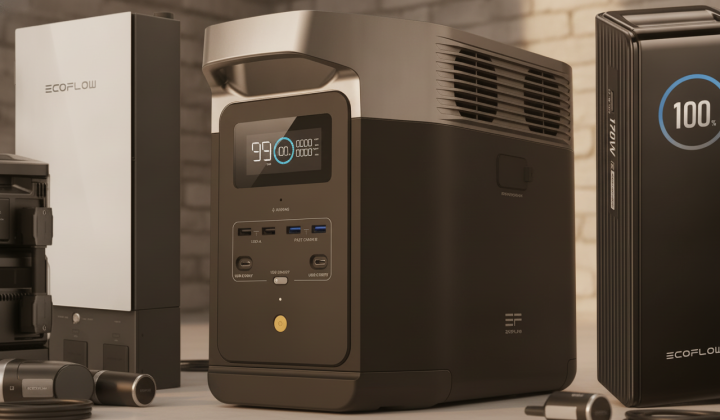
Charging Stations Gain Popularity in Ukraine
According to Рубрика — Суспільство: Frequent power outages across Ukraine have led to a surge in the use of portable charging stations. The lifespan of the batteries powering these devices depends heavily on the battery type, operating conditions, and proper handling. Common battery types found in charging stations include lithium iron phosphate (LiFePO4), lithium-ion NMC, and lead-acid batteries. Manufacturers advise users to maintain specific temperature ranges, regulate charging power, and keep battery charge levels between 20% and 80% to optimize performance.
Best Practices for Storing Charging Stations
Charging stations rely on battery cells to store and deliver energy. In lithium-ion batteries, lithium ions move during charging and discharging cycles. It’s important to understand that chemical aging of batteries occurs even when they are not in use. One full cycle equals the total use of 100% battery capacity, such as two partial discharges of 50% each. Excessive heat and prolonged storage at full charge accelerate the degradation of lithium-ion batteries.
LiFePO4 batteries typically endure over 3000 charge cycles before their capacity drops to 80%, while lithium-ion NMC batteries have fewer cycles but allow for lighter, more compact stations. Lead-acid batteries are heavier and less durable, making them less common in portable chargers. For example, the EcoFlow DELTA 2 offers up to 4000 cycles while retaining at least 80% of its original capacity. The recommended charging temperature range is 0-45 °C for the EcoFlow DELTA 2 and 0-40 °C for the BLUETTI AC60.
To preserve battery health, follow these storage guidelines:
- Charge or discharge the battery to 40-60%
- Turn off and unplug all connected devices
- Store in a dry environment with temperatures between 15–25 °C
- Check battery charge and perform maintenance every few months
When storing batteries long-term, maintain charge levels around 40-60%. After exposure to freezing conditions, warm the battery to approximately 18-22 °C before recharging.
Charging stations often feature a Bypass mode that supplies electricity without draining the battery. For daily use, keeping the charge between 20% and 80% is advisable. Avoid covering the device during operation to ensure proper ventilation. Regular battery checks and upkeep during storage are essential, as continuously maintaining lithium-ion batteries at full charge speeds up their aging process.
Factors that contribute to faster battery wear include chemical aging, cycle accumulation, overheating, deep discharges, and prolonged full charges. These aspects highlight the importance of careful operation and maintenance of charging stations, especially amid the unstable power supply conditions in Ukraine.
Given Ukraine’s current electricity challenges, mastering proper use and maintenance of charging stations is crucial to maximize their reliability and lifespan.
As the demand for charging stations rises, understanding battery longevity becomes crucial for users. Just like with laptop batteries, various factors influence how long your portable charging solutions will last. Learning to diagnose battery issues and implement effective care techniques can significantly enhance performance and extend usage time, making it essential for those relying on these devices during outages.

Read also