A 17-Plant Ritual Bouquet: Ukrainians to Bless Makoviichyk on August 1

The Ritual Bouquet Explained: Symbolism and a Guide to Its Plants
According to 24 канал — Lifestyle: On August 1, Ukrainians celebrate the Feast of Makovia by having traditional bouquets called makoviichyk blessed in church. Worshipers bring poppy, honey, water, and other early fruits of the season to the service. Once blessed, these bouquets are placed at home near the icons and kept there until spring, or sometimes until the Feast of the Annunciation. According to folk belief, a makoviichyk protects the household from harm and illness, and encourages peace and prosperity within the family.
This custom blends religious faith with the rhythm of the harvest, highlighting how closely Ukrainian life is tied to the land. It also survives today as a way for families to pass on centuries-old traditions to younger generations.
What Each Plant in the Bouquet Stands For
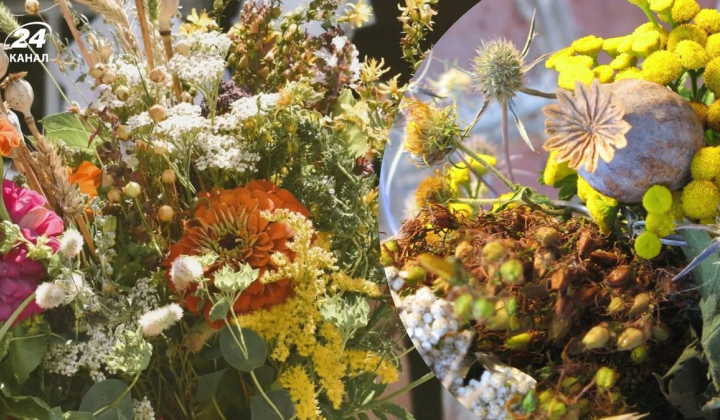
A traditional makoviichyk is bound with a red ribbon as a defense against evil. Ideally, it should contain 17 different plants, and the symbolism of each one matters. Some of the recommended ingredients are:
- mint
- wormwood
- viburnum
- sunflower
- oat ears
- periwinkle
- marigolds
- lovage
- sweet clover
- oregano
- gentian
- cornflowers
- calendula
People sometimes add pears, carrots, or apples to the bouquet as well. Poppy heads are the central symbol, standing for fertility and protection from evil forces. Viburnum represents youthful beauty, love, and tenderness; sunflower evokes faith, warmth, and hope; mint brings calm and harmony; wormwood wards off illness and dark powers; oat ears signify abundance, good harvest, and stability. Marigolds, calendula, and rue support health and shield against disease, while lovage and cornflowers embody beauty, love, and concord.
At its core, the blessing of makoviichyk on the Feast of Makovia is a deeply rooted Ukrainian tradition that unites the sacred and the seasonal.
Because it merges religious practice with agrarian custom, this ritual remains a meaningful part of Ukrainian spirituality. It not only asks for blessing and protection but also reminds people of their connection to nature's gifts. In modern times, observing the day helps preserve Ukraine's cultural heritage and sparks renewed interest in national traditions, especially among younger generations.
As the tradition of blessing makoviichyk continues, the recent ban on poppy in Ukraine raises important questions about the future of this cherished custom. The impact of this restriction on related practices, such as the role of shulyky during Makovia, highlights the challenges faced by families in preserving their cultural heritage amidst changing regulations. Understanding these shifts can deepen our appreciation of the rituals that bind communities together.

Read also