Attacks on Crews Leave 1,600 Vessels Trapped in the Strait of Hormuz

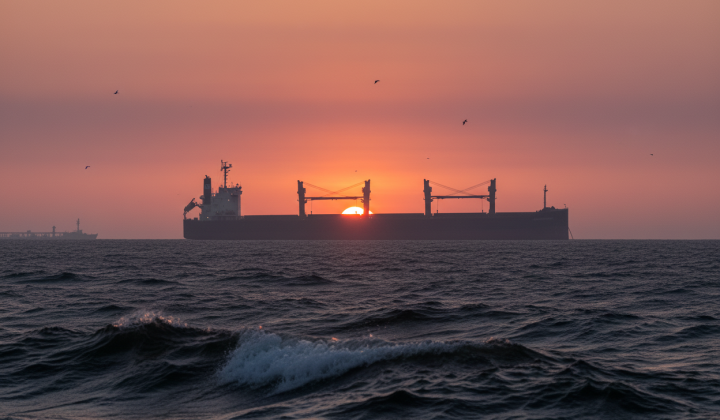
Crisis in the Strait of Hormuz
According to Главком: Roughly 1,600 ships remain stuck near the Strait of Hormuz due to serious security threats and a lack of available insurance coverage. A 48-hour escort operation launched by U.S. President Donald Trump managed to guide only two vessels through the waterway. The International Maritime Organization reports repeated strikes on ships: since the start of the conflict, 32 vessels have been hit by missiles, resulting in 10 deaths and at least 12 injuries.
Lying between Oman and Iran, the Strait of Hormuz is a vital maritime corridor that handles roughly 20% of the world’s daily oil consumption. At its narrowest point, the strait is only 33 km wide, with a shipping lane in each direction measuring about 3 km. As tensions in the region escalate, carriers face severe safety challenges that complicate transit.
“Carriers need much stronger security guarantees before they will risk passing through.”
Gene Seroka
The situation in the Strait of Hormuz carries global implications, as this waterway is a critical route for oil supplies. The blockage of vessels could drive up energy prices and disrupt international trade routes. Consequently, the next steps taken by global organizations and governments will have a major impact on regional stability and economic conditions worldwide.
Key Challenges for Carriers
- Maritime security risks
- Soaring insurance costs
- Geopolitical instability
As the situation unfolds in the Strait of Hormuz, the impact on maritime operations is becoming increasingly evident. The recent blockade has led to a sharp decline in vessel movement, raising concerns over supply chain disruptions and potential energy price hikes. For a deeper understanding of how these developments are affecting maritime traffic, read more about the recent drop in vessel traffic.

Read also