Vessel Traffic Plummets on First Day of Strait of Hormuz Blockade

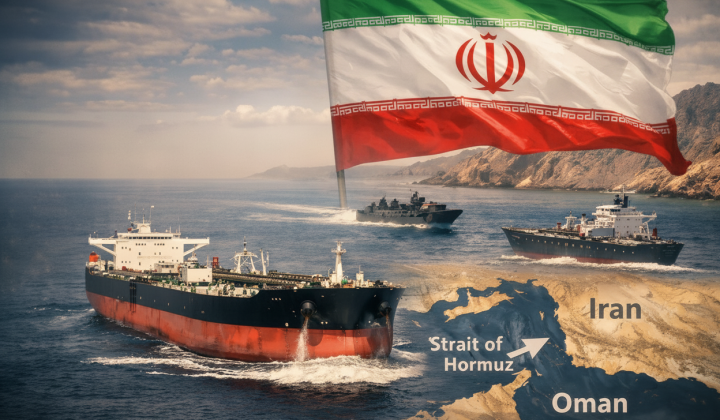
Strait of Hormuz Situation
According to Главком: Vessel traffic through the Strait of Hormuz saw a dramatic decline on the first day of a U.S.-led blockade. Ships are altering their routes or ceasing to transmit data via tracking systems. According to U.S. military data, not a single vessel passed through the restricted zone in the initial 24-hour period. This indicates a severe reduction in commercial traffic through a region that, prior to the conflict, saw over 130 ships pass daily. The current level of maritime movement is now only a fraction of its former volume, raising significant concern among analysts.
The oil tanker Rich Starry changed its destination from Oman and stopped broadcasting its location. A number of other vessels have been forced to turn back or alter their course. The Strait of Hormuz is a critical global chokepoint for oil and goods, making any disruption here a matter of international economic security.
Economic Repercussions of the Blockade
In response to these events, war risk insurance premiums are now being reassessed every 48 hours. The UN's Food and Agriculture Organization has warned that a prolonged crisis in the strait could trigger a global agri-food catastrophe. The situation remains tense, with future developments hinging on the evolution of the conflict and the international community's response.
The blockade of the Strait of Hormuz carries serious consequences for the world economy due to its role as a key transit route. A sustained drop in cargo flow is likely to result in:
- Increased prices for energy and food commodities
- Heightened regional tensions
The actions of international organizations and nations could significantly influence the course of events and the potential for resolving the conflict.
The ramifications of the blockade extend beyond immediate shipping disruptions, as highlighted by the UN's warning about a potential global food crisis. Analysts emphasize that a sustained decline in maritime traffic through this vital corridor could severely impact food supply chains and energy prices worldwide, further exacerbating economic instability.

Read also