January 8: Day of Earth's Rotation and the Memory of Bishop Emilian

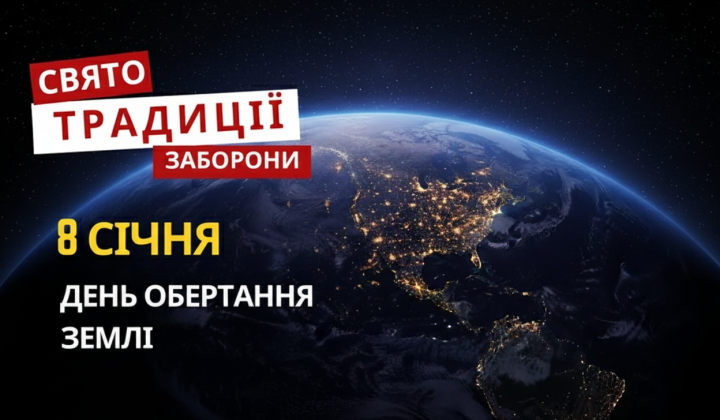
Day of Earth's Rotation and the Memory of Saint Emilian
According to Главком: January 8 is celebrated as the Day of Earth's Rotation and the memory of Saint Emilian, the Bishop of Kizyk. This date holds significance in both scientific and religious contexts. Annually, on this day, we celebrate the rotation of our planet around its axis, which is an important aspect of astronomy and physics.
The Day of Earth's Rotation was first demonstrated by French physicist Jean Foucault in 1851 when he presented the results of research confirming this phenomenon. This fact became an essential milestone in the development of science, allowing us to understand the mechanisms that shape our environment.
Historical Events on January 8
At the same time, January 8 is an important day in the religious calendar as it honors the memory of Saint Emilian, the Bishop of Kizyk, who lived in the 9th century. This date is also marked by several other historical events:
- 1198 - the pontificate of Innocent III began;
- 1297 - François Grimaldi captured Monaco;
- 1547 - the release of the Catechism of Martynas Mažvydas, the first book in the Lithuanian language;
- 1919 - establishment of the Ukrainian Hutsul Republic;
- 1828 - founding of the Democratic Party of the USA;
- 1957 - Bobby Fischer became the U.S. chess champion at the age of 14.
The Day of Earth's Rotation and the memory of Saint Emilian are significant events that unite scientific and religious traditions, reminding us of the importance of both natural phenomena and spiritual values in society's life.
This date serves as a reminder of the importance of both scientific achievements and cultural traditions in shaping humanity's worldview. The celebration of the Day of Earth's Rotation emphasizes the significance of astronomical phenomena for our understanding of the world, while the memory of Saint Emilian highlights the spiritual values that play an important role in the lives of many people. Thus, January 8 unites both science and faith, demonstrating their significance in human experience.

Read also