How to Treat Cystitis

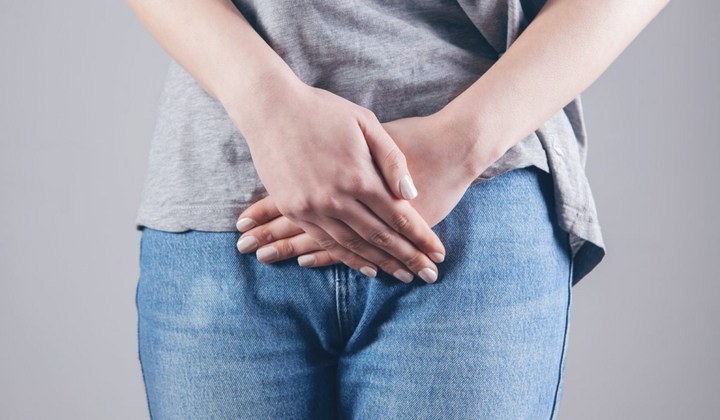
Cystitis is an inflammation of the bladder, most often caused by bacteria. It is a common disease, especially among women, accompanied by severe pain during urination. The main treatment involves the use of antibiotics, such as Levofloxacin, and sometimes additional antibacterial agents like Streptocide. However, it is important to consult a doctor about the correct treatment to avoid chronic cystitis and complications.
Causes of Cystitis
Cystitis is most commonly provoked by bacteria that enter the bladder through the urethra. The most common pathogen is the bacterium Escherichia coli (E. coli). In addition, there may be interstitial cystitis-a chronic disease whose causes are not fully understood, but are not associated with bacterial infection. Some medications, especially chemotherapeutics, can irritate the bladder mucosa. Also, radiation therapy in the pelvic area can lead to its inflammation. Prolonged use of a catheter can increase the risk of infections. Some types of intimate hygiene products, scented shower gels, or soaps can cause irritation of the urethra and bladder.
Symptoms of Bladder Inflammation
Cystitis is accompanied by:
- frequent urges to urinate;
- burning or pain during urination;
- blood in the urine;
- cloudy urine or urine with a strong odor;
- pain or discomfort in the lower abdomen;
- a feeling of pressure in the pelvic area;
- slight fever (sometimes).
If there are symptoms of cystitis, it is important to see a doctor for proper treatment.
Diagnosis and Treatment
Diagnosis of cystitis includes:
- Urine analysis. Checking for the presence of bacteria, blood, or pus.
- Urine culture. Determining the type of bacteria that caused the infection and their sensitivity to antibiotics.
- Cystoscopy. Examination of the inner surface of the bladder using a cystoscope, if infections recur or are chronic.
- Ultrasound or x-ray. Used to detect abnormalities in the structure of the bladder.
The main method for treating bacterial cystitis is antibiotic therapy. The doctor selects the medication based on the type of bacteria and their sensitivity. In case of severe pain, analgesics are taken.

It is important to maintain proper hydration, as increasing fluid intake helps reduce bacteriuria.
Prevention of Cystitis
Maintaining personal hygiene is essential, especially after urination and sexual intercourse-it helps reduce the risk of bacteria entering the bladder. Regular water intake helps flush bacteria from the urinary tract. Use mild, fragrance-free soaps.