Choosing the Right Internet Plan: Speed, Usage Needs, and Key Features of GPON Fiber Optics

Understanding Internet Speed Requirements for Seamless Use
According to НВ — Техно: Internet users today have diverse speed needs depending on how they use their connection. This guide explores the ideal megabit speeds for smooth online activities, factors that affect home internet performance, and the advantages of GPON fiber optic technology, especially during power outages.
Recommended Speeds for Different Online Activities
Your internet habits determine the bandwidth you need. Light activities like reading news, using messengers, or checking email typically require up to 2 Mbps. Streaming high-quality music on platforms such as Spotify or YouTube Music also demands about 2 Mbps. Watching TV shows in Full HD needs between 6 and 8 Mbps, while streaming 4K videos requires a faster connection of 25 to 35 Mbps. Online gamers playing shooters like CS2 or Dota generally use 5 to 10 Mbps, but cloud gaming can push this need up to 45 Mbps.
Invisible background processes can quietly consume bandwidth and slow your connection. Automatic updates for Windows, patches for gaming consoles, or photo backups to the cloud often use significant data without your awareness. These factors should be considered when selecting an internet plan. For a single user with a laptop and smartphone, a 100 Mbps plan supports smooth streaming of demanding content. However, a 50 Mbps plan might cause interruptions during system updates.
The number of household members also impacts bandwidth demands. Families with multiple users may experience peak usage between 60 and 80 Mbps. Consequently, a plan offering 200 to 300 Mbps is recommended for comfortable shared use. Gigabit plans are ideal for homes with several high-performance computers, frequent large file downloads, servers, or security camera systems.
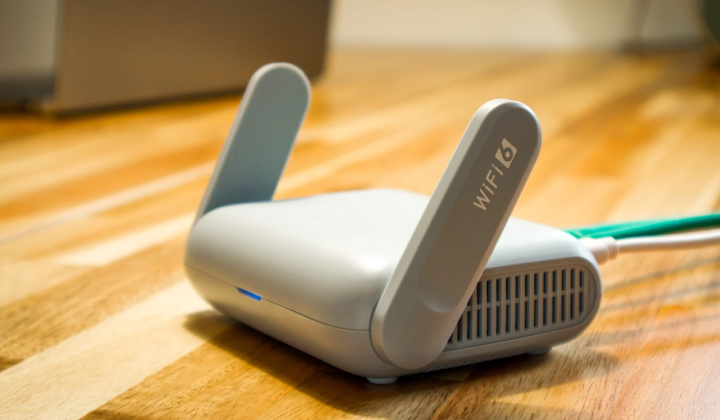
Why does your internet slow down before it reaches your device? Older routers with 100 Mbps ports often max out at speeds around 94 Mbps. Wireless frequency bands matter too: 2.4 GHz offers broader coverage but is prone to interference from neighboring networks, while 5 GHz delivers faster speeds but has limited range and struggles to penetrate concrete walls.
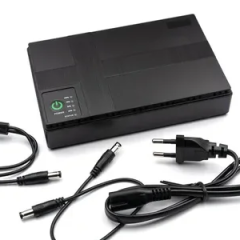
Fiber optic connections that withstand power outages are increasingly important. GPON fiber networks power their central stations using generators and batteries. Connecting your home’s optical converter and router to backup power sources enables your internet to stay online even when the electricity goes out, a crucial benefit for users who rely on uninterrupted connectivity.
In summary, selecting the appropriate internet plan and connection technology greatly influences your online experience amid modern demands. As society becomes more dependent on digital tools, considering both user needs and resilient infrastructure like GPON fiber optics ensures reliable, high-speed internet-even during unexpected power failures.
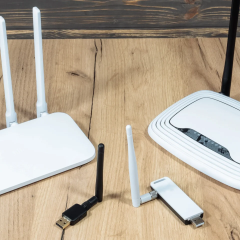
In addition to selecting the right internet plan, it's crucial to ensure your equipment is up to date. An outdated router can significantly hinder your connection speed, even if you have a high-speed plan. Understanding how to choose and configure a modern router can help you maximize your internet performance and address any slowdowns caused by inadequate hardware.

Read also