Ukraine to Raise Taxes on Cigarettes and Fuel: New Timeline and Price Hikes Detailed

Excise Tax Increases in Ukraine
According to ХВИЛЯ: Ukraine is set to increase excise duties on tobacco products and fuel as part of its ongoing effort to align its legislation with European Union standards. This move to raise tobacco taxes is a continuation of a long-term strategy that was first initiated back in 2018. However, the final implementation schedule for these rates has been revised, resulting in a delayed rollout of the tax hikes.
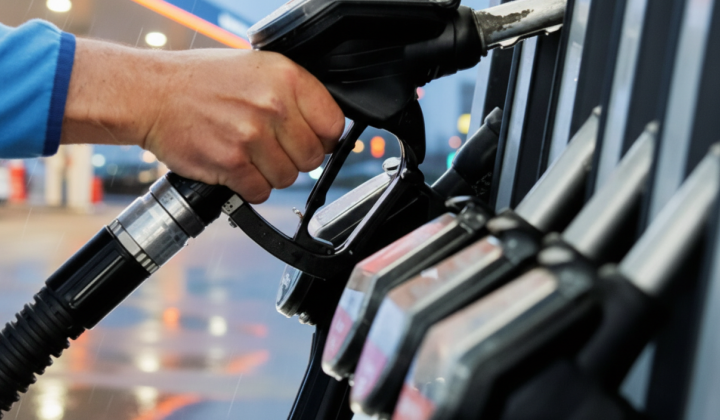
According to Oleksiy Leonov, a member of the parliamentary Committee on Finance, Tax and Customs Policy, the price of a pack of cigarettes is expected to rise by 2-3.5 hryvnias in 2026. In the same year, fuel prices are also projected to increase by between 1 and 2 hryvnias per liter. The government has decided to slow the pace of the tobacco excise increase, extending the full implementation period until nearly 2029, a measure intended to lessen the immediate financial burden on consumers. These adjustments come as Ukraine continues its complex path toward EU integration while managing a wartime economy.
Aims and Consequences of the Tax Hikes
The primary goal of raising cigarette taxes is to reduce the number of smokers in the country, aligning with broader public health strategies in both Ukraine and the European Union. It is important to note that fuel prices are influenced not only by tax policy but also by global oil prices and a complex logistics situation, which has been severely disrupted by ongoing attacks and the need to reroute supply chains.
The planned excise increases on tobacco and fuel reflect Ukraine's commitment to integrating with European economic and social standards. The decision to slow the rate of increase can be seen as an attempt to balance these international obligations with domestic social stability amid significant economic challenges. Analysts point out that external market factors will also play a critical role in determining final fuel costs, requiring careful monitoring by the government.

Read also