Who Authorized the Iran Operation? The Four Figures Behind the Decision

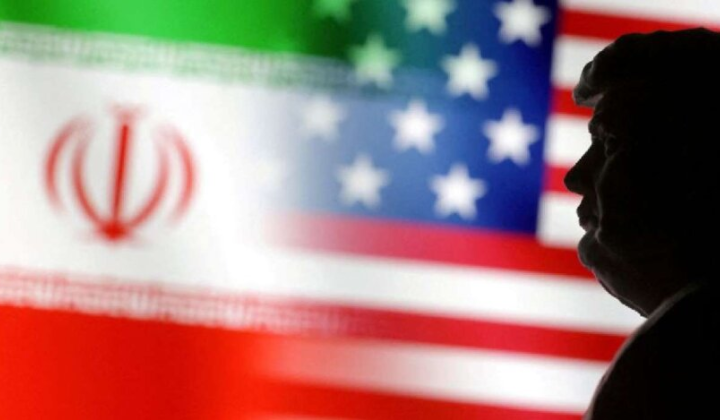
U.S. Covert Operations in Iran
According to ХВИЛЯ: During an interview with political scientist Yuriy Romanenko, analyst Tigran Avakyan revealed details of U.S. special operations in Iran. He stated that the decision to initiate this conflict was made by just four individuals:
- U.S. Secretary of Defense Pete Hegseth
- Presidential son-in-law Jared Kushner
- Real estate developer Stephen Witkoff
- Politician Marco Rubio
Avakyan noted that these operations have resulted in ground combat in southern Iran, the downing of U.S. aircraft and a helicopter, and a wave of resignations among U.S. generals. The conflict has now lasted for over 35 days. This claim originates from a Ukrainian analyst and has not been officially confirmed by U.S. authorities.
The Iran Situation and Its Consequences
Avakyan provided background on the figures involved: Pete Hegseth is a former National Guard major and television host; Jared Kushner is known for his real estate dealings; the others are developer Stephen Witkoff and Senator Marco Rubio. Avakyan emphasized that
"four people provided recommendations... based on their advice, the war was started"
and expressed the view that
"logically, in this situation, we assumed that advice should have come from the Chairman of the Joint Chiefs, members of the U.S. intelligence community, and so on."
According to Avakyan, the situation in southern Iran remains tense, with ongoing firefights. He stated that
"the same applies to all operations related to entering Iranian territory to retrieve that enriched uranium."
Specifically, he pointed out that "Iranian air defense is shooting down U.S. aircraft," and that Iranians have already downed one American helicopter and published video of its crash, though the U.S. side denies the helicopter was shot down.
Avakyan also commented that
"for us globally in Europe, it was necessary for this war to end in victory within 2-3 days."
Currently, he said,
"the war has effectively been going on for more than 35 days."
He believes it is obvious that
"something went wrong,"
since
"all these people resigned, they were all against it."
This unprecedented wave of resignations among the U.S. general staff points to serious problems in managing military operations.
Thus, the situation in Iran remains complex, and the subsequent actions of the U.S. administration raise questions and concerns. A war lasting over 35 days casts doubt on the effectiveness of U.S. strategy in the region, which could have serious consequences not only for U.S. domestic politics but also for international relations, particularly with Middle Eastern countries. Given the wave of resignations among military leaders, the issue of operational command and control becomes even more critical for analyzing future developments.
The ongoing conflict in Iran raises critical questions about U.S. military strategy and leadership decisions. As the situation escalates, Trump's consideration of deploying ground troops highlights the urgency of addressing the complexities involved. The implications of these decisions could shape the future of U.S.-Iran relations and regional stability significantly.

Read also