NATO Ally to Take Over U.S. Role Coordinating Military Assistance for Ukraine


Security Assistance Group-Ukraine: Command Changes Hands
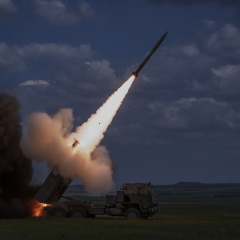
According to ХВИЛЯ: The headquarters in Wiesbaden, Germany, known as Security Assistance Group-Ukraine, is set to come under the leadership of a NATO ally. The U.S. has decided to step back from running the unit, which coordinates Western military aid for Ukraine. According to Politico's sources, the transition could take up to a year, but it should not disrupt arms deliveries. This reflects a longer-term effort to embed Ukraine support within NATO structures.
Ukrainian troop training and logistics support will keep running without interruption. U.S. service members will stay involved, holding the deputy commander slot and preserving visibility into the headquarters' day-to-day operations. The Pentagon framed the move as a rebalancing of duties among allies, reiterating that backing Ukraine remains a top priority.
Key Figures and Expert Views
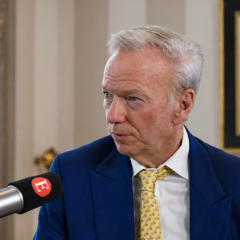
The main figures to note are the one-year timeline for the handover and the 70-billion-euro NATO commitment to Ukraine. Discussions about Europe's shifting defense landscape have also referenced Elbridge Colby's ideas on "NATO 3.0" and the evolving responsibilities of alliance members.
The handover of Security Assistance Group-Ukraine to allied leadership underscores how collective responsibility for supporting Ukraine is growing. NATO's long-term strategy-especially its 70-billion-euro pledge-highlights the value of internationally coordinated military aid in promoting regional stability.
Elbridge Colby
These shifts also mirror NATO's changing role as new security challenges emerge in Europe.
The transition of the Security Assistance Group-Ukraine to NATO leadership highlights a significant shift in military responsibilities among allies. As this rebalancing unfolds, it is essential to explore how the new vision for NATO's defense emphasizes the need for European nations to take a more active role in regional security, particularly in light of emerging challenges.

Read also