Warhound Startup to Deliver Genetically Engineered Military Dogs for the US Army with First Clones Set for 2025

The Warhound Initiative: Engineering Superior Canine Soldiers for the US Military
According to НВ — Техно: Warhound, an American startup backed by Colossal Biosciences, is advancing a groundbreaking program to create genetically enhanced dogs tailored for military service. Supported by $200 million in funding and valued at $1.2 billion, the project combines cutting-edge genetic engineering, advanced protective gear, and integrated digital systems designed to augment the capabilities of both the dogs and their handlers. The first cloned dogs are expected to be introduced by early 2025.
The goal of Warhound is to develop dogs capable of performing critical military roles such as explosive detection and search-and-rescue missions. Ben Lamm, CEO of Colossal, co-founded Warhound alongside Palmer Luckey, known for founding Anduril Industries. Currently, over 80% of working dogs in the US military are imported from Europe, with fewer than half meeting the rigorous standards required for service.
Genetic Enhancements and Technological Integration
The program focuses on two primary breeds: Belgian Malinois and German Shepherds. Their cellular lines will be preserved in a biobank to facilitate genetic modifications aimed at improving key traits, including:
- Overall health
- Longevity
- Speed
- Agility
- Olfactory capabilities
“Our ambition is to enhance the dogs’ health and lifespan, alongside attributes like speed, agility, and scent detection,” said Ben Lamm.
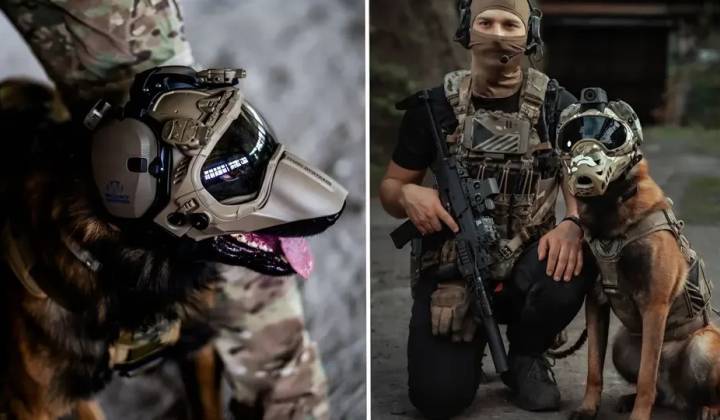
Anduril will provide the hardware and software for the dogs’ protective equipment, which may include sensor-equipped vests and smart eyewear. Potential customers for Warhound’s innovations extend beyond the Department of Defense to police forces, military units, and emergency response teams.
Warhound’s efforts build upon Colossal’s expertise in gene editing and animal cloning, a field that includes attempts to revive extinct species such as the dodo and woolly mammoth. This project demonstrates how breakthroughs in biotechnology can be harnessed to enhance the performance of working animals. Notably, in 2024, Brazilian company Oxitec developed genetically modified mosquitoes aimed at controlling disease-carrying populations by potentially reducing Aedes aegypti numbers by up to 90%.
If successful, Warhound could revolutionize how dogs are deployed in military operations by introducing innovative genetic solutions that boost efficiency and reduce reliance on European imports. This initiative highlights the expanding role of genetic technologies in defense and their broader applications in healthcare, environmental management, and beyond.

Read also