Insights into Neanderthal Camp Organization from the Study of 640 Charcoal Fragments at Abric Romaní

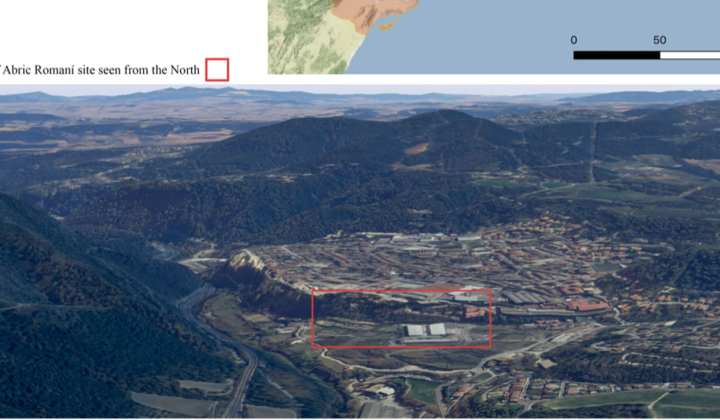
Charcoal Analysis from the Abric Romaní Archaeological Site
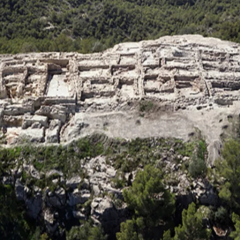
According to НВ — Техно: Examination of 640 charcoal fragments from the cave site of Abric Romaní, near Barcelona, has revealed new information about how Neanderthals structured their living spaces between 110,000 and 40,000 years ago. The study identified two distinct charcoal distribution zones within the camp, suggesting that different areas served specialized purposes. These findings are detailed in the Journal of Paleolithic Archaeology.
Distinct Charcoal Distribution Zones Identified
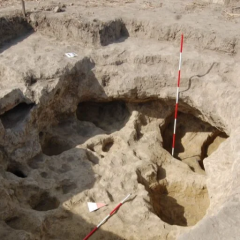
The research focused on the Ra archaeological layer, excavated between 2019 and 2022. The northern sector contained dense concentrations of charcoal linked to hearths, while the southern sector showed smaller, isolated charcoal clusters located away from fire sites. Approximately 76% of the analyzed charcoal originated from mountain pine, indicating the Neanderthals sourced wood from nearby forests.
Evidence suggests Neanderthals mainly gathered dry branches and dead wood found on the ground for fuel. Southern samples more frequently showed mineral deposits and fungal traces, implying natural factors like water movement may have influenced charcoal placement. This distribution pattern could reflect both deliberate campsite cleaning and environmental relocation of materials.
It remains unclear whether the site was continuously occupied or visited intermittently. Future research plans include mapping charcoal distributions alongside bones, stone tools, and other artifacts to gain a clearer picture of Neanderthal daily life and spatial organization.
This investigation at Abric Romaní offers valuable perspectives on Neanderthal social behavior and camp arrangement. The discovery of functionally distinct charcoal zones points to purposeful use of space, enhancing our understanding of how these ancient humans adapted and organized their environment during the Paleolithic era.
Understanding how Neanderthals organized their camps sheds light on their adaptability and resource management. Similarly, recent findings about their woodworking techniques and expansion into desert regions reveal their innovative strategies for survival. For more insights into Neanderthal craftsmanship and their geographical reach, explore the details in their woodworking skills and desert expansion.

Read also