Understanding Androgenetic Alopecia: Causes of Hair Loss and Modern Treatment Options

What Causes Androgenetic Alopecia?
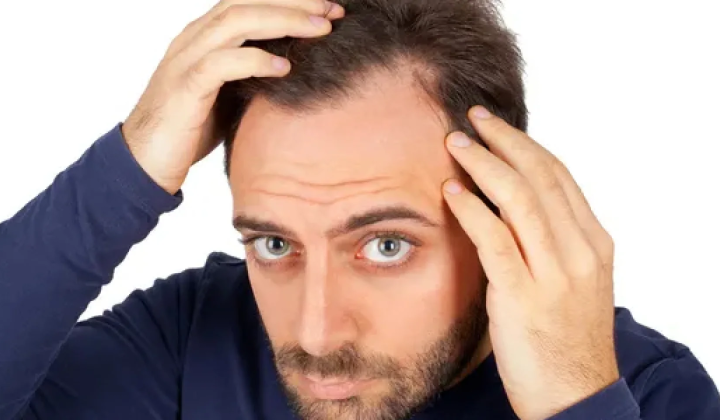
According to НВ — Техно: Hair loss, particularly androgenetic alopecia, affects a large number of people, especially men. This condition accounts for over 95% of hair loss cases and is driven by genetic factors. The hormone dihydrotestosterone (DHT), produced from testosterone, gradually damages hair follicles. This leads to thinning, shortening of hair strands, and eventually halts hair growth altogether.
Dr. Ken Anderson explains: 'Over time, follicles sensitive to the damaging effects of DHT shrink. The hairs become finer, shorter, and may eventually stop growing. This gradual shrinking process of the follicle and hair shaft is medically known as miniaturization.'
Statistics show that nearly two-thirds of American men experience noticeable hair thinning by age 35, and by age 50, approximately 85% have significant hair loss. This miniaturization results from follicles’ heightened sensitivity to DHT. Beyond genetics, hair loss can also be triggered by:
- serious illnesses;
- surgical procedures;
- rapid weight loss;
- stress;
- certain medications;
- thyroid dysfunction;
- nutritional deficiencies.
For instance, strict calorie restriction and sudden weight reduction can disrupt the natural hair follicle growth cycle. Dr. Anderson notes, 'Hair is one of the fastest-growing tissues, and when nutrition is insufficient, the body reallocates energy away from hair growth.'
Deficiencies in iron, vitamin D, and zinc also negatively impact healthy hair growth. However, taking excessive vitamin supplements without a confirmed deficiency may be harmful. Blood tests and medical consultation are advised before starting any supplementation. Inflammatory scalp conditions like dandruff, seborrheic dermatitis, itching, and irritation further weaken hair follicles. Dr. Anderson emphasizes that 'treating scalp inflammation creates a healthier environment for the follicles,' as chronic scalp inflammation is detrimental to hair preservation.
Contemporary Treatments for Hair Loss
Among the latest treatments, red light therapy stands out as a non-pharmaceutical approach supported by clinical evidence. Dr. Anderson explains, 'Red light therapy is a drug-free treatment with a strong clinical research foundation.' This therapy promotes follicle development and extends the active growth phase of hair, making it a valuable complement to other proven treatments.
Hair loss, especially androgenetic alopecia, is a widespread issue that significantly impacts many men's psychological well-being and social confidence. Understanding its underlying causes and contributing factors is crucial for identifying effective therapies. With innovative options like red light therapy, medical professionals are hopeful about advancing treatment outcomes, potentially improving quality of life for countless individuals.

Read also