2200-Year-Old Qin Dynasty Imperial Palace Unearthed Along Mau-Us Desert Route

Discovery of a Qin Dynasty Architectural Complex
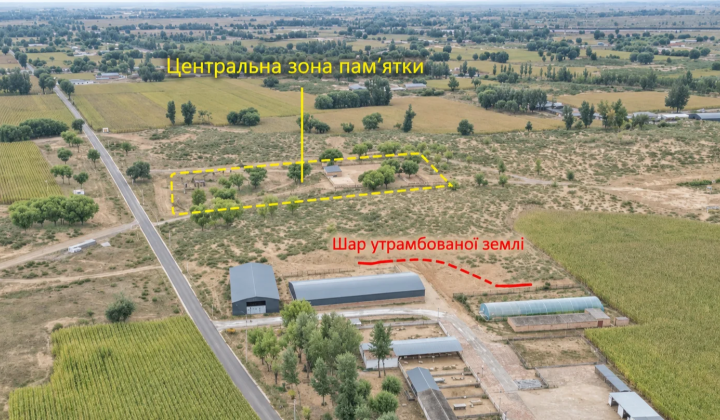
According to НВ — Техно: Archaeologists from the Yulin Institute of Cultural Heritage and Archaeology have uncovered remains of a 2200-year-old complex at the Huantulian site, dating back to the Qin Dynasty. This site is believed to be a waystation palace positioned along the imperial road crossing the Mau-Us Desert. The findings offer valuable insights into China's first unified empire and reveal unique characteristics that distinguish this complex from typical villages or military outposts.
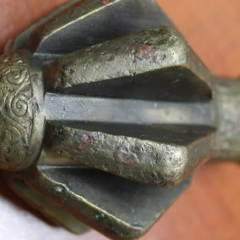
The core area of the complex covers approximately 10,000 square meters, with structural fragments scattered across 150,000 square meters. Surface artifacts include roof tiles, ornamental bricks, and three stone column bases. The roof decorations feature mythical creature motifs resembling those found in the imperial palaces and mausoleums of Qin Shi Huang, the dynasty's first emperor. Beneath the sand, archaeologists identified compacted earth platforms, wells, and ceramic water pipes.
Shanxi Province’s cultural heritage authorities noted that materials uncovered at Huantulian set it apart from common settlements or military garrisons. Around 212 BCE, Qin Shi Huang commissioned the construction of the Qinzhidao (Straight Road), stretching from the northern frontier to the imperial capital, under the leadership of General Meng Tian. However, the exact path of this road through the Mau-Us Desert has remained uncertain until now.
Research Developments and Historical Importance
Approximately 7.5 kilometers southwest of Huantulian, archaeologists discovered intermittent traces of compacted earth stretching 800 meters, likely part of the Qinzhidao route. The palace itself is believed to have been built during the late reign of Qin Shi Huang, before the dynasty’s collapse in 206 BCE. There is no evidence confirming that Qin Shi Huang personally visited this site. Much of the complex remains buried beneath sand and awaits further excavation.
This discovery significantly enhances our understanding of Qin Dynasty history and its architectural innovations.
It also highlights the strategic importance of imperial roads, which not only linked distant regions but also served as key sites for the emperor’s administration. Continued research promises to reveal more about daily life, cultural practices, and the political role this complex played within the empire.
For international audiences, these findings shed light on the sophistication of early Chinese infrastructure and governance, emphasizing how transportation networks supported imperial control over vast territories.

Read also