November 19 Shenzhen Summit: Trump, Putin, and Xi Gather Amid Shared National Struggles

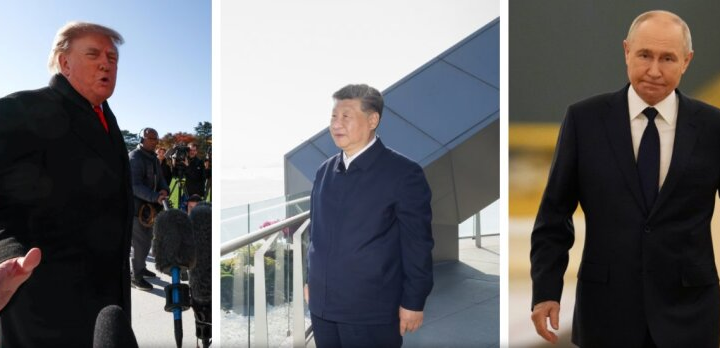
Upcoming Summit in Shenzhen
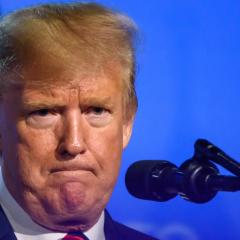
According to ХВИЛЯ: On November 19, 2023, Donald Trump, Vladimir Putin, and Xi Jinping are set to meet in Shenzhen, China. While some Russian officials liken this summit to the historic Yalta Conference of 1945, many analysts view it as a reflection of the shifting global landscape and the vulnerabilities faced by these three nations. Russia seeks to expand its influence across Europe, the United States aims to maintain dominance in the Americas, and China intends to absorb Taiwan and push the U.S. out of Asia. However, prolonged conflicts in Ukraine and Iran have severely weakened Russia and the United States, whereas China is steadily increasing its geopolitical reach and positioning itself as a mediator.
Challenges Confronting the Leaders
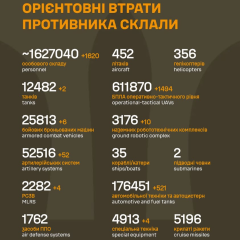
The conflict in Ukraine has dragged on for more than a year without Russia achieving its objectives, resulting in over 1.6 million Russian military casualties, both killed and wounded. This bleak reality underscores why analysts describe the Shenzhen meeting as a gathering of three countries grappling with significant difficulties.
“This is truly a summit of three weakened powers. Russia is economically shattered and facing military disaster, Trump is a lame duck with complicated domestic challenges, and China is contending with serious internal economic struggles,” stated Italian Senator Carlo Calenda.
China, which has provided Russia with economic and political backing but refrained from supplying weapons, is trying to prevent Russia’s defeat without actively supporting its victory. Tun Zhao, senior fellow at Carnegie China, remarked:
“China appreciates that the United States is now willing to engage directly with its geopolitical rivals to discuss global governance.”
Despite these intentions, internal problems limit what these three countries can realistically achieve. Political shifts in the U.S. are also influencing its international stance. Following the 2022 midterm elections, Democrats gained control of both the House and Senate, pledging continued support for Ukraine and opposition to Russia starting with the new Congress in January 2023. Republican Senator Tom Cotton described recent talks with Russia as little more than a farce.
Western nations are preparing to strengthen aid to Ukraine, a move Ukrainian Foreign Minister Andriy Sybiha considers critical amid the ongoing war:
“Putin will only agree to stop the war once he realizes he cannot win.”
Sybiha also stressed that Russia has failed to accomplish any of its invasion goals.
The Shenzhen summit carries symbolic weight. Former Australian Prime Minister Kevin Rudd cautioned against fears that this would be a "Yalta 2.0," stressing that the meeting will not result in any territorial divisions worldwide. Meanwhile, China is striving to present itself as a unifying force, bringing these leaders together despite the difficult circumstances each faces.
This summit highlights the complex geopolitical challenges and internal crises confronting major world powers today. While the meeting could mark a pivotal moment for exploring new cooperation strategies and conflict resolution, its success depends on the leaders’ ability to overcome their struggles and find common ground. In a time of global instability, the outcomes of this summit may significantly influence international relations in the years ahead.
As the leaders prepare for the significant Shenzhen Summit, the backdrop of ongoing trade discussions adds another layer of complexity to their meeting. Recently, the US and China addressed trade tariffs, highlighting the economic challenges that could influence their strategic decisions during the upcoming summit. Understanding these dynamics is crucial for grasping the full scope of the leaders' negotiations.

Read also