Archaeologists discovered a unique Roman bath in Serbia

Discovery of a private Roman bath
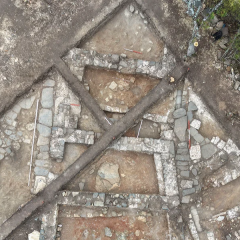
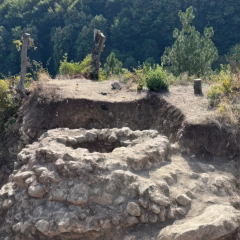
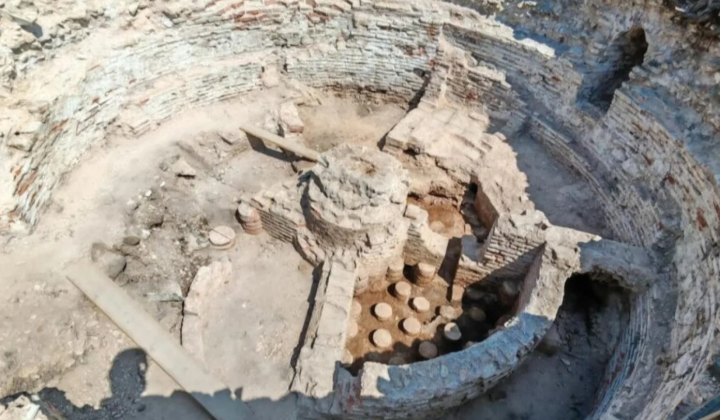
According to НВ — Техно: Archaeologists have discovered a private Roman bath in the imperial complex of Vrelo-Šarkamen in eastern Serbia. This bath is embedded in the lower level of the southwest corner tower of a monumental palace associated with the Roman tetrarch Maximinus Daia, who ruled at the beginning of the tetrarchic period in the 4th century AD. Research has shown that the bath features a unique architectural design that has no known direct analogs in other locations of the Roman Empire.
Architectural features of the bath
The bath has a circular plan and a dome pierced by six window openings. Within its interior space, the following were discovered:
- three pools or bathing tubs
- a steam room
- a furnace
- a floor heating system
Researchers noted that the copper cauldron for heating water has not survived, as copper was a valuable material and was often recycled. At the same time, preserved Roman copper cauldrons are extremely rare, particularly a known specimen preserved in Pompeii.
Excavations are being conducted by the Institute of Archaeology in cooperation with the Country Museum with the support of the Ministry of Culture of the Republic of Serbia. The heads of the excavations are Dr. Marija Jović and Gordan Janić. The research team pointed out that there is a functional division within the complex: the technical infrastructure is separated from the bathing, resting, and leisure areas. The entrance to the bath from the eastern side connects with a paved corridor of the residence, but the difference in floor levels between the palace and the bath remains unexplained.
Šarkamen is also known for its imperial mausoleum and a collection of gold ornaments found about three decades ago. In addition, in 2024, archaeologists in Serbia discovered an ancient Roman triumphal arch at the site of Viminacium, located 70 km east of Belgrade, dating back to the third century. Viminacium was the capital of the Roman province of Moesia and an important military camp. The triumphal arch is dedicated to Emperor Caracalla, who took the title of Augustus at the age of 15. This is the first such triumphal arch in this area, noted Miomir Korać.
The discovery of a private bath in Šarkamen highlights the significance of this archaeological complex as an important historical site, providing new information about life in the Roman Empire. The unique architecture of the bath indicates a high level of development in construction technologies and social structure at that time. Similar findings may contribute to a deeper understanding of Roman culture and its influence on the region.
The excavations at Šarkamen and Viminacium also emphasize the activity of archaeological research in Serbia, which may attract more attention to the country's historical heritage.

Read also