4,000-Year-Old Dog Paw Prints Discovered on Ancient Clay Bricks in Turkey

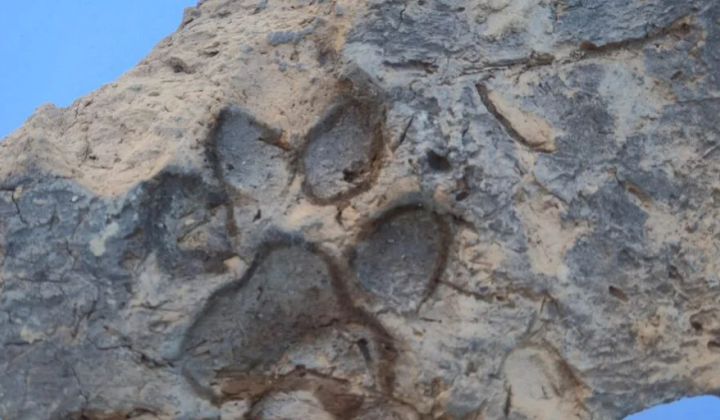
Archaeologists Unearth 4,000-Year-Old Canine Paw Prints at Tavşanlı-Höyük
According to НВ — Техно: In western Turkey, archaeologists have uncovered dog paw prints dating back 4,000 years, preserved on clay bricks at the Bronze Age settlement of Tavşanlı-Höyük. This remarkable discovery offers new insights into the daily lives of people living during the Bronze Age. Excavations led by Professor Erkan Fidan from Bilecik Şeyh Edebali University have been ongoing since 2021, revealing architectural remains alongside evidence of violent destruction and extensive trade connections of the period.
The Importance of the Find
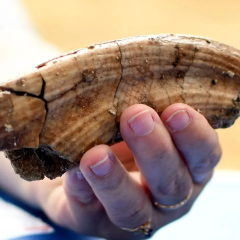
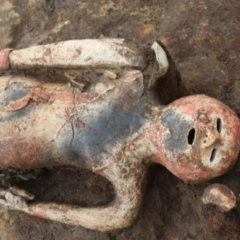
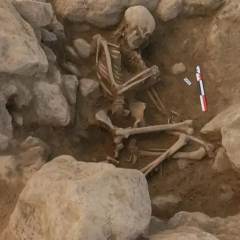
Covering at least 45 hectares, Tavşanlı-Höyük was inhabited around 8,000 years ago. The paw prints were left by a dog that walked across freshly molded clay bricks before they hardened. The building where this occurred was destroyed by fire approximately 3,700 years ago. Excavations at the site also uncovered two human skeletons within the burned structures, one of which still contained charred brain tissue and skin remnants.
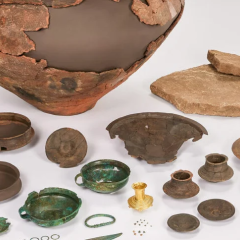
In 2024, researchers discovered a 3,750-year-old faience cylindrical seal within the destruction layer linked to the final phase of Assyrian trade colonies. This artifact confirms the settlement’s active role in Bronze Age trade networks. The clay bricks bearing the paw prints were made from a mixture of soil, water, and straw, then sun-dried.
On October 26, Turkey’s Minister of Culture and Tourism, Mehmet Nuri Ersoy, announced the find, describing it as “a small yet significant trace of life from four millennia ago.”
This discovery also ties into the broader history of dog domestication. For example, a fragment of a jawbone from one of the earliest domesticated dogs was found in Gough’s Cave in the Cheddar Gorge, Somerset, UK. Genetic studies indicate humans and dogs have coexisted in Britain for about 15,000 years.
The presence of dog paw prints on clay bricks at Tavşanlı-Höyük highlights the settlement’s significance in understanding Bronze Age societies. It suggests a close relationship between humans and animals, emphasizing the role dogs played in everyday life. Along with other archaeological evidence, this find will help researchers gain a deeper understanding of the social and cultural dynamics of ancient civilizations during this era.
This recent discovery not only sheds light on the lives of ancient civilizations but also parallels other significant archaeological finds, such as the unearthing of mammoth remains in Germany, which highlights the rich history of our planet's past inhabitants. Understanding these connections enhances our appreciation of the intricate tapestry of life that existed thousands of years ago.

Read also