Nanomaterial from Australia Launches Its Own Bone Tissue Regeneration Mechanism

How 'NanoBone' Works: Development by Australian Scientists
According to НВ — Техно: Date: September 3, 19:04
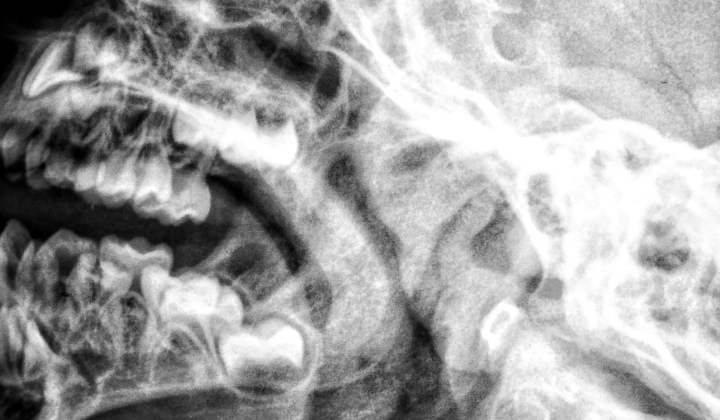
Researchers from the University of Sydney and the University of Queensland have introduced a biodegradable nanomaterial based on calcium aluminosilicate. It can initiate bone tissue regeneration by activating latent transforming growth factor β1 (TGF-β1) and attracting stem cells, thus eliminating the need for external growth factors. Over time, the material is completely replaced by the patient's own bone tissue.
Why This is Important for Medicine
The technology is currently in the preclinical stage. For doctors, it represents a potential replacement for traditional transplants that have been practiced for over half a century. Each year, more than 4 million bone restoration surgeries are performed worldwide; typically, the patient's own tissues or animal-derived materials are used for this purpose. Furthermore, waiting for a transplant can take up to 10-12 years. This development can shorten these timeframes and potentially change treatment approaches.
The following results have been obtained in preclinical trials:
- In eight weeks, the material facilitated the formation of new bone tissue that was 80% greater than in control samples.
- The activation of growth factor was found to be 10 times stronger than with standard methods.
- The material contributed to blood clotting within 30 seconds.
Such solutions can also play an important role in cases of congenital pathologies. For instance, cleft lip and palate occur in approximately one in every 700 infants. Traditional methods of bone restoration are not always available or effective, making new approaches particularly in demand. Scientists also plan to combine this material with 3D printing to create customized scaffolds, which should enhance treatment effectiveness.
The development by Australian specialists has the potential to significantly impact regenerative medicine. For patients requiring urgent bone tissue restoration, this means shorter waiting times and improved quality of life. Further clinical trials may confirm the technology's potential and lead to its implementation in practice. For English-speaking audiences, it is important to note that research at this level demonstrates: the future of traumatology and maxillofacial surgery is connected with materials that activate the body's own resources.

Read also