Where Ukrainian Pensioners Can Ride for Free: A Guide to Transport Benefits

Understanding Free Transport for Pensioners in Ukraine
According to ХВИЛЯ: For Ukrainian seniors, managing living costs is a constant concern, and saving on transport is a key priority. Ukrainian law provides pensioners with the right to free travel based on age, established by Cabinet of Ministers Resolutions No. 354 and No. 1081. However, there are important limitations and specific conditions to be aware of. This system is a crucial part of the nation's social safety net, designed to support older citizens on fixed incomes.
Which Transport Modes Are Covered?
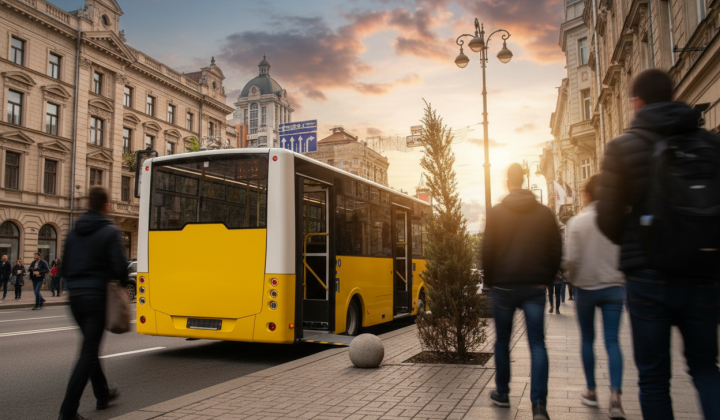
The benefit for free travel applies to municipal public transport, specifically:
- Trolleybuses and trams on all city routes;
- Municipal buses operating on regular schedules;
- Suburban electric trains, provided the passenger has the proper identification.
Conversely, the benefit does NOT extend to:
- Intercity buses;
- Ukrzaliznytsia (Ukrainian Railways) trains (platskart, coupe, SV, Intercity+);
- Taxi services.
In private minibuses (marshrutkas), the number of free seats is typically limited and set by local authorities, often to just 1 or 2 per vehicle. In cities with electronic ticketing systems, like Kyiv and Lviv, pensioners must obtain a special transport card to register their journey. Drivers who unjustly refuse the free ride face administrative liability, and carriers can be fined.
What to Do If a Benefit is Denied
If a pensioner is refused their entitled free travel, they should follow these steps:
- Record the vehicle's license plate number;
- Note the route;
- Identify the carrier's name and the driver's full name;
- Find witnesses among other passengers;
- File a complaint with Ukrtransbezpeka (State Transport Safety Service), the police, or the local city council's transport department.
This process helps protect pensioners' rights and ensures compliance with the law on free travel.
Providing free transport for pensioners is a vital component of Ukraine's social policy, helping to alleviate the financial burden on this vulnerable segment of the population.
Ultimately, the effectiveness of these benefits depends not only on the legal framework but also on its consistent enforcement at the local level, raising questions about oversight of seniors' rights in the transport sector. Given the country's challenging economic situation, it is essential that such concessions remain accessible and functional for the elderly.

Read also