How Malevich Outmaneuvered Chagall and Forged UNOVIS in the Soviet Art Wars

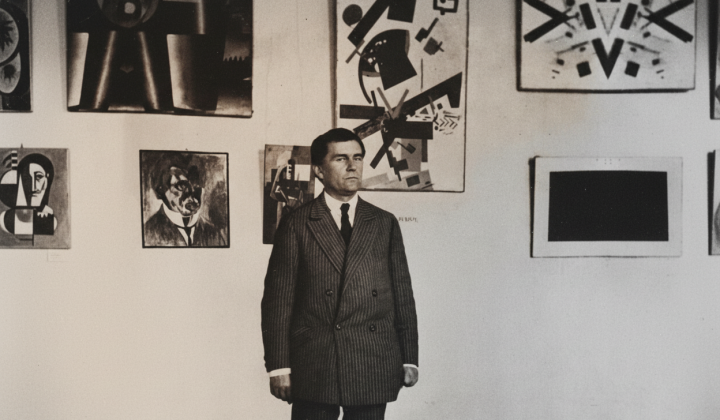
The Ideological Power Struggle in Early Soviet Art
According to ХВИЛЯ: During the early Bolshevik period in Ukraine, a fierce competition for ideological dominance erupted within the visual arts, marked by conflict among the avant-garde's leading figures. The central players in this contest were Kyiv-born Kazimir Malevich and the constructivists Vladimir Tatlin from Kharkiv and Alexander Rodchenko from Leningrad. This rivalry was not merely about artistic recognition; it was also a battle for state funding allocated specifically for purchasing revolutionary art.
Anatoly Lunacharsky, the People's Commissar of Education, exacerbated the situation by appointing Futurists to key positions in the fine arts department. While the state actively supported artists with funds to buy their works, the lion's share of resources went to Malevich, Rodchenko, and Tatlin. As noted by Serhiy Udovyik,
"The core of the problem was the procurement process. The state allocated money to purchase revolutionary art. And all the money for purchases went to Malevich, or to Rodchenko and Tatlin. The realists ended up with no money at all-who needed them?"
This intense rivalry provides a crucial lens for understanding how Soviet cultural policy shaped the avant-garde.
Successes and Lasting Consequences
In 1925, Alexander Rodchenko was chosen to represent the USSR at a prestigious exhibition in Paris, a clear sign of his ascendancy over Malevich at that moment. Following setbacks in Moscow, Kazimir Malevich relocated to Vitebsk, where he joined the art school founded by Marc Chagall. There, he decisively ousted Chagall from his leadership role, dismissing him as a backward neorealist, and established the organization UNOVIS (Affirmers of the New Art), as detailed by Serhiy Udovyik.
This clash for influence had profound and lasting repercussions. Marc Chagall later wrote scathingly in his memoirs about Malevich's actions, highlighting the deep personal and professional rifts created. Thus, this chapter in Ukrainian art history stands as a testament not only to creative competition but to the profound ideological disputes that defined the face of the avant-garde in Soviet Ukraine. The struggle among avant-garde representatives in early Bolshevik Ukraine illustrates the complex dynamics between artists amid sweeping political and social change. The conflict between Malevich, Rodchenko, and Tatlin not only dictated the direction of Ukrainian art but also mirrored the broader ideological battles of the era, leaving an indelible mark on the nation's cultural legacy.
Understanding the ideological battles within Soviet art is essential, as these conflicts not only shaped the careers of figures like Malevich and Chagall but also influenced the broader cultural landscape. For a deeper insight into how Ukrainian artists navigated these turbulent times, particularly in their roles as propagandists and designers under Bolshevik influence, you can explore this article on Ukrainian artists in service of propaganda.

Read also