EU's Carbon Tax Halts Exports: Why a Key Ukrainian Steel Plant Stopped Shipping to Europe

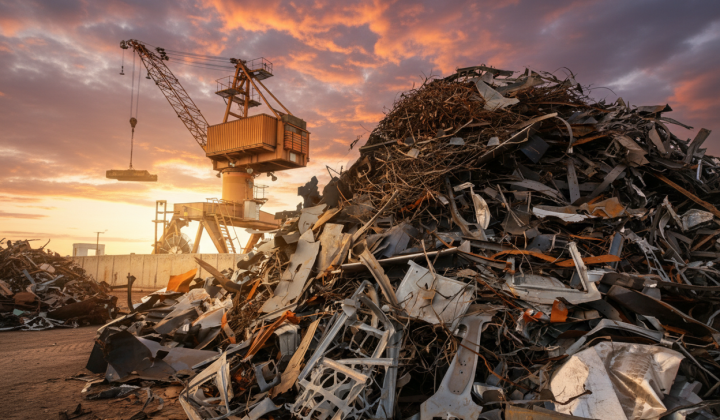
Ukrainian Lawmaker's Stance on Scrap Metal and the Carbon Tax
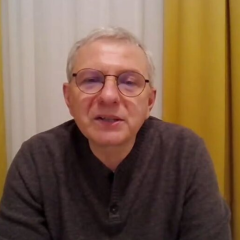
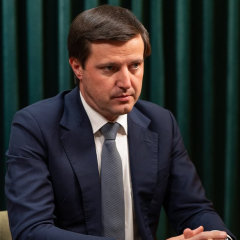
According to Главком: Dmytro Kysylevskyi, Deputy Chairman of the Ukrainian parliament's Committee on Economic Development, has outlined a position on retaining scrap metal within Ukraine and discussed the impact of the EU's CBAM carbon tariff on Ukrainian exports and the steel industry. He emphasized that using scrap metal as a raw material in steel production significantly reduces CO² emissions.
The European Union's Carbon Border Adjustment Mechanism (CBAM) is now in effect for Ukraine. Kysylevskyi stated this has serious consequences for the domestic steel sector. The Ukrainian government has initiated additional talks with the European Commission regarding the tariff's application. However, the Commission did not agree to apply a force majeure clause for Ukraine and implemented CBAM without exceptions or delays. The process for EU recognition of Ukrainian carbon emission verifiers is complex, heavily regulated, and time-consuming.
How the Carbon Tariff is Affecting Ukrainian Industry
Specifically, the ArcelorMittal Kryvyi Rih steel plant has completely lost its export business to the EU due to CBAM. As a result, the plant was forced to halt production, impacting its blooming mill, which is now closed. The shutdown of ArcelorMittal Kryvyi Rih's facilities has affected over 3,000 employees, causing significant concern within the workforce.
The implementation of the CBAM tariff creates additional challenges for Ukraine's steel industry, particularly amid an economic crisis. The loss of EU export opportunities could have far-reaching consequences not only for individual enterprises like ArcelorMittal Kryvyi Rih but for the national economy as a whole, given high unemployment levels and social tensions among workers. The CBAM is part of the EU's broader 'Green Deal' policy, designed to prevent carbon leakage by imposing costs on imports from countries with less stringent climate policies.
Ongoing government negotiations with the European Commission may prove critical for finding solutions that allow Ukraine to adapt to the new regulations and preserve jobs in this vital industrial sector.
The ongoing challenges faced by the Ukrainian steel industry are further compounded by the complexities of the EU's carbon tariff regulations. As highlighted by the recent developments, the impact of CBAM on Ukrainian steel exports has raised concerns about market share losses and the overall economic stability of the sector. Understanding these dynamics is crucial for grasping the broader implications of the EU's policies on Ukraine's industrial landscape.

Read also