A Chechen Man Joined the War in Ukraine to End His Own Life: Disturbing Revelations

What Drove Him to Enlist
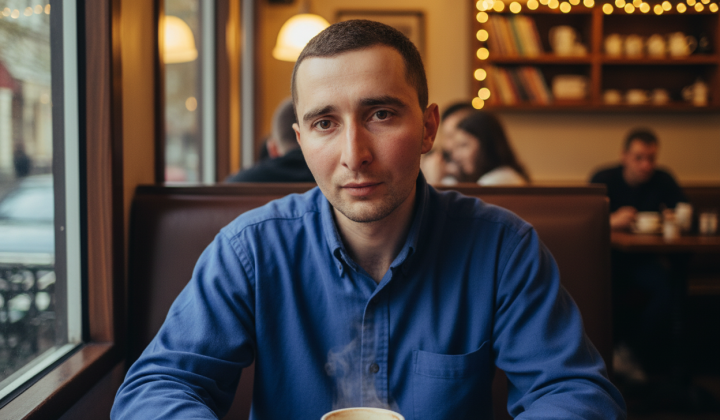
According to Главком: A recently captured Russian soldier has stunned interrogators with the reason he decided to fight. The 35-year-old Chechen, who signed a contract in Nizhny Novgorod, admitted his goal was suicide. He had suffered severe head injuries and a heart attack during a prior attempt on his own life. Those injuries left him with brain damage, robbing him of speech and the ability to solve simple tasks, while also causing constant headaches. On the front lines, a blast gave him a concussion, worsening his condition and leading to further issues with speaking and memory.
After being exchanged as a prisoner, this Chechen man shared the personal struggles that drove him to such a drastic step. 'I wanted to die,' he told interviewer Dmitry Karpenko. 'Suicide didn't work out well, so I took advantage of the mobilization wave.' His case sheds light on the deep psychological and social pressures that can push individuals to join the military.
Prisoner Swap
On April 24, Ukraine and Russia conducted a prisoner exchange that brought 193 Ukrainian soldiers home. Notably, the swap included young men born in the 2000s as well as wounded defenders. Most of those released had been illegally held in Chechnya, and some faced fabricated criminal charges-a violation of the Geneva Conventions.
This incident highlights not just the military conflict but also the humanitarian dimensions affecting people's lives. The psychological trauma and social circumstances that lead individuals to war demand attention and could inform rehabilitation and support programs for veterans and returnees. The prisoner exchange itself underscores both sides' efforts to address human rights and bring back those caught in the conflict's grip.
The complexities of military conflicts often extend beyond the battlefield, as illustrated by the recent return of Ukrainian defenders from captivity. This event not only highlights the ongoing humanitarian crisis but also emphasizes the psychological toll that war inflicts on individuals, driving some to enlist for tragic reasons. Understanding these dynamics is crucial for developing effective support systems for veterans and those affected by the conflict.

Read also