Russian attacks on Odesa ports push Ukraine and Poland to seek new farm export routes

New routes for Ukrainian farm exports
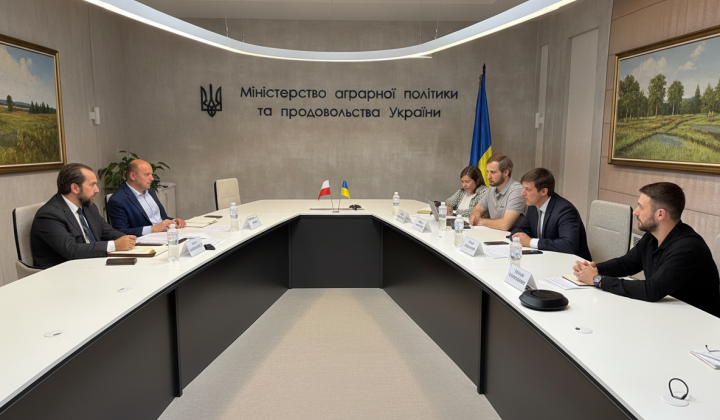
According to Рубрика — Суспільство: After Russian attacks damaged ports in the Greater Odesa area and hit agricultural facilities, Ukraine is holding intensive talks with Poland on alternative ways to export its farm produce. A meeting took place between Taras Vysotskyi, Ukraine’s Minister of Agrarian Policy and Food, and representatives of the Polish Embassy in Ukraine. The two sides reviewed the impact of the strikes and discussed closer Ukrainian-Polish cooperation on restoring the agricultural sector, attracting investment, and carrying out joint projects.
Rail and road border crossings, together with seaports in EU countries, were central to the discussions. The Polish ports of Gdańsk, Szczecin, Świnoujście, and Gdynia were identified as possible export gateways.
“Our key goal is to maximise the logistics capacity available for transiting Ukrainian agricultural products. Transit will benefit all sides, especially at a time when Russian attacks have made maritime logistics far more difficult and expensive.” - Taras Vysotskyi
Storage risks and financial support
In addition, the ministry forecasts a shortfall in crop-storage capacity in November, estimated at 7.5–8 million tonnes and possibly as much as 11 million tonnes. The government is also expanding credit programmes for growers and coordinating with international partners on interest-rate compensation. Denys Bashlyk explained:
“The immediate challenge is to preserve export opportunities to third countries. If Ukrainian farmers cannot sell their output, they will lack the funds needed for the next sowing season. That is why we are working at the same time on alternative logistics, crop preservation, and access to financing.” - Denys Bashlyk
The negotiations with Poland could prove highly consequential for Ukraine’s agri-industrial sector. Support from Warsaw and other EU capitals in expanding logistics options may help offset losses caused by Russian strikes, maintain export volumes, and keep Ukrainian farmers financially viable in wartime. Keeping supply chains moving has become a central part of Ukraine’s resilience strategy.
As the situation unfolds, the repercussions of the Russian strikes are becoming increasingly severe, with estimates suggesting that agrarians may face losses of up to $3 billion. This highlights the urgent need for effective strategies to mitigate the impact on the agricultural sector. For more insights into the financial challenges faced by farmers, you can read more about the potential losses here.

Read also