STV Group Unveils Five-Role Multirotor Drone FPV-NG Built Without Chinese Parts

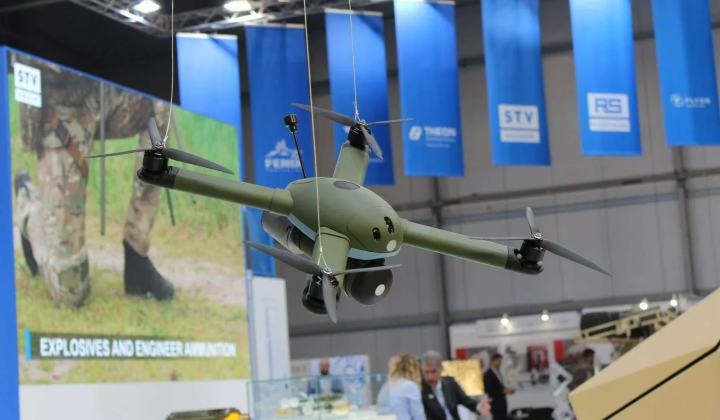
FPV-NG Debuts at Future Forces Forum 2026 in Prague
According to НВ — Техно: On October 27, 2026, the Czech firm STV Group introduced its new multirotor drone, the FPV-NG, during the Future Forces Forum 2026 held in Prague. This innovative drone expands their product lineup by fulfilling five distinct operational roles: strike missions, reconnaissance, communication relay, electronic warfare, and hybrid tasks. A key feature of the FPV-NG is its complete exclusion of Chinese components, enhancing supply chain security and export control.
Specifications and Performance of the FPV-NG
The FPV-NG measures between 10 and 13 inches and weighs 2.5 kilograms. It can carry a maximum payload of 6 kilograms and reach speeds up to 150 km/h. With a 2 kg payload, it sustains flight for at least 30 minutes and can operate at altitudes up to 3,000 meters. The drone is designed to withstand side winds up to 10 m/s and functions reliably in temperatures ranging from -10°C to +45°C.
In September 2026, STV Group announced that the drone’s base model will be ready for production in the first quarter of 2027. Compared to similar drones like the MOEMS FPV-13, which travels at 140 km/h with payloads between 3 and 6 kg, or the Ukrainian-Polish UMO Hydra 13/15, capable of carrying 2–2.5 kg for 25–30 minutes, the FPV-NG offers competitive capabilities.
According to a 2024 Polish study, up to 75% of drone neutralizations occur through radio signal jamming, highlighting the importance of developing drones less reliant on Chinese components. Ukrainian manufacturers are also advancing in this area. Notably, two Ukrainian drone producers without Chinese parts have been selected to participate in a Pentagon program focused on acquiring strike UAVs. One such company, Ukraine Defense Drones, manufactures most components in-house and sources the rest from European suppliers.
At the outset of the full-scale conflict, nearly all Ukrainian drones were imported from China. However, Ukraine is steadily reducing this dependence. Producers like TAF Industries estimate that fully replacing Chinese parts could increase production costs by up to 60% and reduce output. Therefore, introducing drones like the FPV-NG represents a crucial step toward strengthening defense capabilities and fostering independence among Ukrainian manufacturers.
The FPV-NG presentation at Future Forces Forum 2026 highlights STV Group’s commitment to developing drones that meet modern security and autonomy requirements.
Reducing reliance on Chinese components is not only a financial decision but also a strategic move aligned with global trends in defense technology. Ukraine’s shift toward self-sufficiency among its drone producers signals a broader transformation in defense and technology sectors, with potential long-term impacts on the regional and international markets.
The advancements in drone technology are becoming increasingly significant, particularly as Ukraine's military ramps up its drone acquisitions to enhance operational capabilities. This trend underscores the growing importance of developing indigenous solutions, especially those that are free from reliance on foreign components, as highlighted by STV Group's latest FPV-NG drone model.

Read also