Three Key Factors Behind the Inactivity of Iran's Proxy Forces

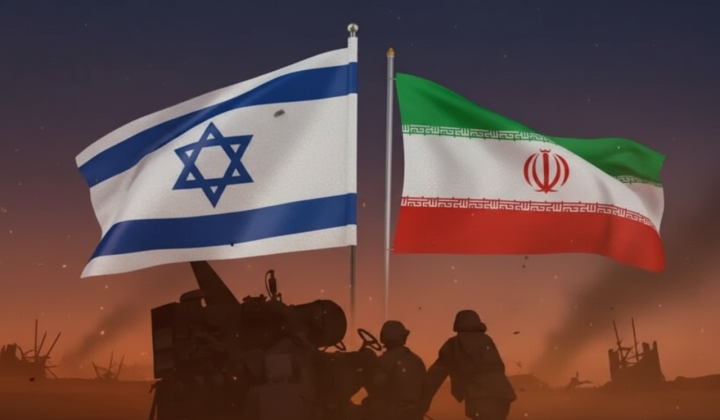
Why Iran's Proxy Forces Are Holding Back
According to ХВИЛЯ: International security expert Tamirlan Vagabov analyzes the reasons for the relative passivity of Iran's proxy forces during the recent escalation between Iran, the United States, and Israel. He identifies three primary factors: systematic Israeli efforts to neutralize threats, the absence of a full-scale conventional war, and reduced funding for groups like Hezbollah. This analysis comes amid heightened regional tensions where proxy actions were widely anticipated.
Iran has invested billions of dollars over decades to build its network of proxy forces. However, Vagabov notes that Israel and its allies have conducted an active campaign to degrade these threats in recent years.
"Probably because it was broken beforehand. Israel has been hitting them, hitting them, hitting them for several years. I think the key is that organizationally, Israel has seriously roughed them up over the last few years,"
the expert comments.
The Impact of War Status and Funding Cuts
Vagabov also emphasizes that the current conflict does not constitute a full-scale conventional war, which reduces the likelihood of active proxy engagement.
"First, there is no full-scale conventional war, army against army. These are still pinpoint strikes,"
he explains. He suggests the situation might be different if there were a significant U.S. or Israeli ground presence surrounding these territories.
Another crucial factor is the financing of Iran's proxy forces. Hezbollah, in particular, has seen its financial resources shrink due to sanctions and the war in Ukraine. "In recent years, Hezbollah's even informal funding channels have been severely curtailed due to sanctions and the war in Ukraine. This is not the same Hezbollah that existed 10, 15, or 20 years ago," says Vagabov. He adds that the technological gap these groups face also plays a significant role in their passivity.
"The weaponry of Hezbollah and Hamas cannot compare with the training level and precision-guided weapons of Western countries anyway,"
the expert notes.
Thus, the combination of systematic Israeli pressure, the lack of a major war, and funding reductions has rendered Iran's proxy forces less active in the current situation.
The decline in activity from Iran's proxies may signal a shift in the regional strategic balance and an adaptation to new security realities. These factors could influence future political dynamics in the Middle East as Israel continues its active efforts to neutralize threats from Iran and its allies. It is also important to consider how financial constraints and technological disadvantages may affect the military capabilities of such groups going forward.

Read also