Why some people act like they always know what’s best for you

Understanding patronizing communication
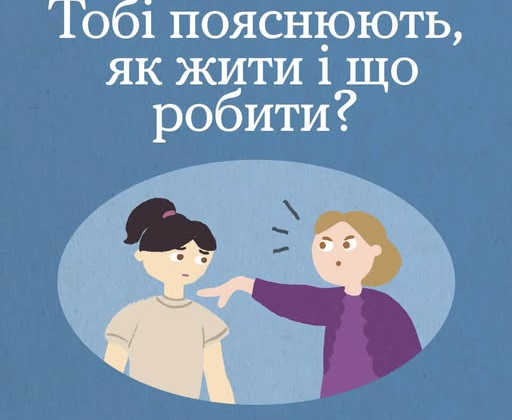
According to ДСНС: Patronizing behavior in conversations is a dynamic where one person assumes a superior position, acting as if they have the right to more authority and better judgment. This communication style can be either unintentional or deliberate. The main drivers behind such conduct often include:
- a habit of wanting to control situations,
- a need to feel important or validated,
- communication patterns learned during childhood.
Additionally, the belief that one’s own way of thinking and acting is inherently more correct than others’ can also fuel this patronizing attitude.
How patronizing behavior affects relationships
Relationships marked by patronizing behavior are often unequal. In these interactions, one person acts as though they have the authority to lecture or instruct, while the other struggles to assert their right to simply be themselves. This imbalance frequently leads to tension and conflict, as one individual tries to exert control and the other feels belittled or disrespected. Over time, patronizing behavior creates an uneven dynamic built on power and control.
Such conduct can have serious consequences in both personal and professional settings, as it hinders constructive dialogue and erodes mutual trust. Recognizing this pattern is essential for improving communication and building more balanced relationships. Understanding why people behave this way can help individuals shift their own interaction styles and foster healthier, more respectful connections.

Read also