Fighter Jet Shortage: Why NATO is Increasingly Choosing Its Own Security
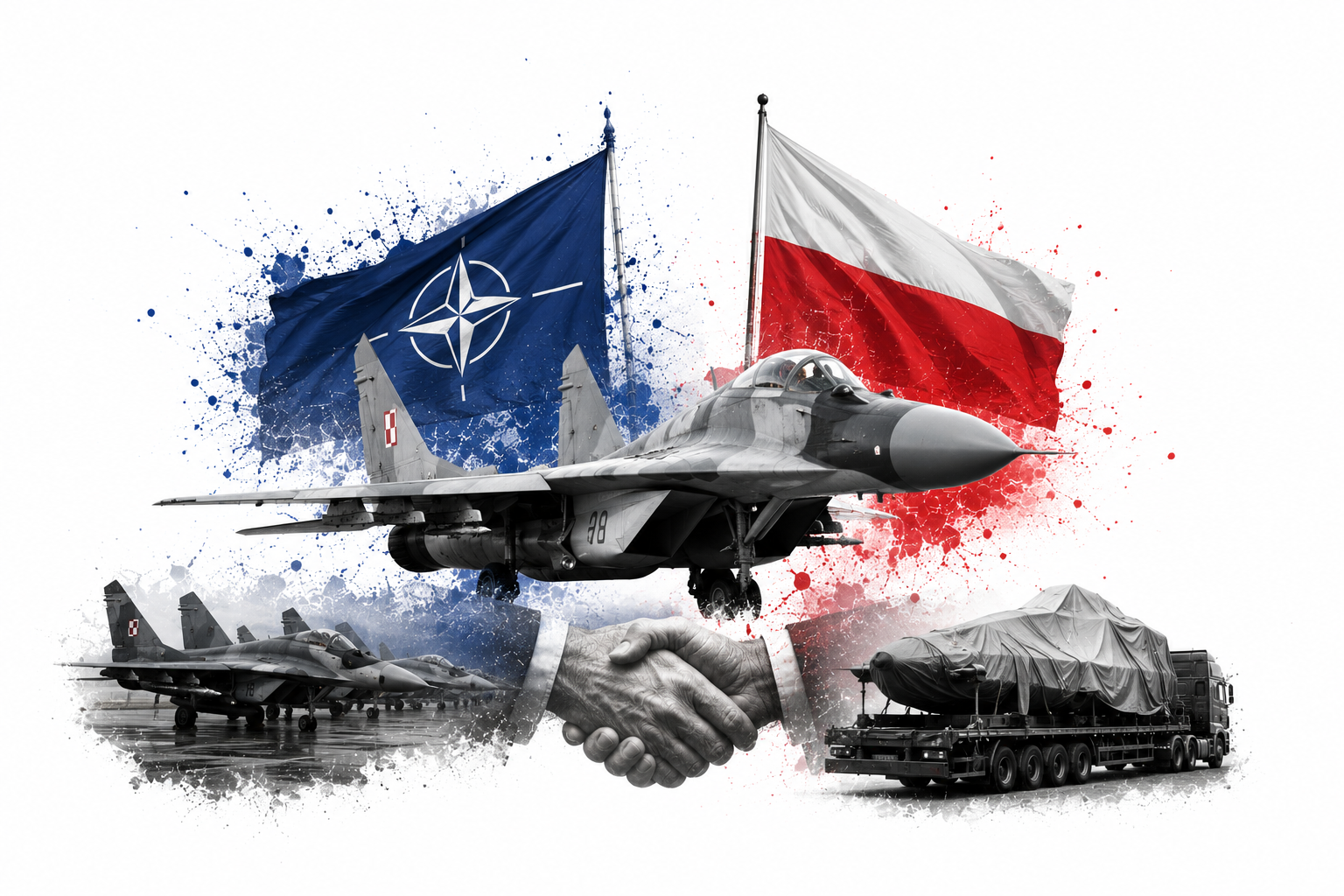
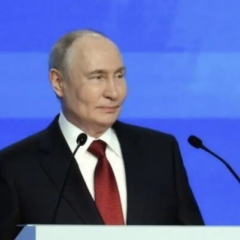
Poland has confirmed receiving a request from an unnamed NATO member country regarding the transfer of MiG-29 fighter jets that Warsaw had previously planned to send to Ukraine. According to Poland's Deputy Minister of National Defense, Pawel Zalewski, the government is currently analyzing how to balance the interests of the ally and the needs of Kyiv.
Considering that only Poland and Bulgaria are currently operating MiG-29 aircraft among NATO countries, the situation goes far beyond a simple decision concerning the transfer of aviation. It demonstrates fundamental changes in NATO's approach to distributing limited military resources.
The End of the Soviet Reserve
For over three years, Central and Eastern European countries have been supplying Ukraine with Soviet-made weapons that could be quickly integrated into the Ukrainian Armed Forces.
However, this reserve is nearly exhausted.
The number of combat-capable platforms that can be transferred without significantly impacting their own defense capability is rapidly dwindling. What was once considered surplus is gradually turning into a strategic deficit.
Alliance Security Remains a Top Priority
If the request indeed came from Bulgaria, its logic appears quite pragmatic.
Sofia is in the process of transitioning to F-16 fighter jets, but until the full deployment of new squadrons, the country needs to ensure the patrolling of its own airspace.
For NATO, maintaining a continuous air defense system on the eastern flank is a fundamental element of collective security. That is why the internal needs of the Alliance logically take precedence over supporting partner states.
Warsaw Gains Additional Argument
For Polish leadership, the appearance of an official request from an ally creates a significant political basis to review its own plans.
The transfer of the remaining MiG-29s to Ukraine becomes significantly less likely until Poland completes the rearmament of its Air Force with modern Western fighter jets.
Under such conditions, each aircraft is increasingly seen not as a tool of external support, but as a component of the national defense system.
From Political Declarations to Logistics of Scarcity
The story of Poland's MiG-29s demonstrates a broader trend.
As available resources decrease, decisions are increasingly determined not by political statements but by military logistics and issues of self-security.
In fact, NATO is moving to a phase of strict inventory of existing capabilities, where each piece of equipment gains strategic value. In such a model, support for partners remains important, but is increasingly subordinated to the necessity of ensuring the Alliance's own defense capability.

Read also