MP Vasylevska-Smahliuk Details Causes of Voting Failures in Ukraine's Parliament

Voting Breakdowns in Ukraine's Parliament
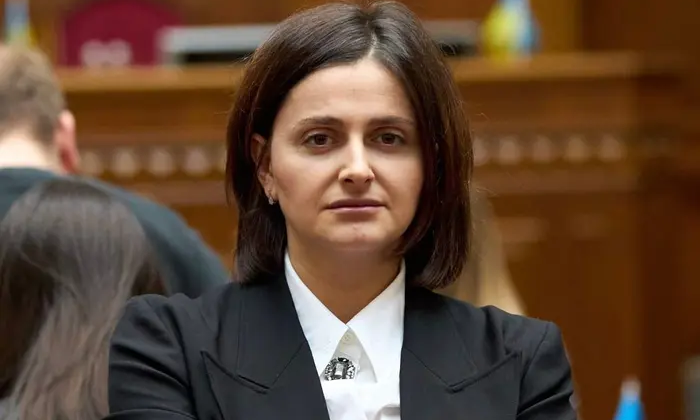
According to Главком: Ukrainian Member of Parliament Olha Vasylevska-Smahliuk has outlined a combination of factors leading to repeated failures in passing votes within the Verkhovna Rada. The Ukrainian parliament, a key institution in the country's ongoing reform efforts, has been hampered by several core issues:
- MPs being summoned for questioning by investigators;
- A lack of debate on draft laws before they are put to a vote;
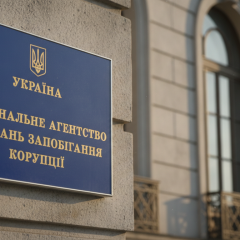
- Pressure from anti-corruption bodies;
- Poor coordination among parliamentary factions;
- Inadequate communication from party leadership.
Olha Vasylevska-Smahliuk, an MP from the ruling 'Servant of the People' party, noted that lawmakers who are subjects of criminal proceedings by the National Anti-Corruption Bureau of Ukraine (NABU) and the Specialized Anti-Corruption Prosecutor's Office (SAPO) continue to vote in parliament. Committee chairs and deputy faction heads being called in for questioning, she stated, is causing concern among their colleagues.
“And they complain that our faction's leadership didn't even ask if they might need a lawyer provided, showing no interest in these summonses whatsoever.” - Olha Vasylevska-Smahliuk
She also remarked that she had heard only from one colleague, Maksym Buzhanskyi, a proposal to abstain from voting due to pressure from NABU. During a faction meeting, Buzhanskyi urged the Prime Minister to discuss the issue of such pressure with Ukraine's international partners.
Root Causes and Proposed Solutions
Vasylevska-Smahliuk detailed several reasons she believes are disrupting the voting process. These include:
- MPs being called for interrogations;
- A failure to debate bills, particularly those concerning taxation for individual entrepreneurs and regulation of postal parcels;
- Pressure from NABU;
- Conflicting positions and public image losses, referencing the so-called 'July cardboard Maidan' protest.
The MP further emphasized that the competing interests within the ruling majority and a lack of proper internal communication only worsen the situation.
Olha Vasylevska-Smahliuk also put forward proposals to improve matters. She called on the faction leadership to convene MPs along with the leadership of the Verkhovna Rada and the government, and then to involve representatives from other factions. “If 70% of the faction is in favor, then the entire faction votes,” she noted, stressing the importance of agreed voting rules and considering the priorities of other parliamentary groups.
Overall, the voting situation in the Verkhovna Rada requires urgent changes, particularly in the operational management of the faction responsible for rallying votes in parliament. Vasylevska-Smahliuk stressed that without proper communication and coordinated action, the situation is likely to deteriorate further.
The outlined problems reflect broader challenges facing Ukraine's political system, especially amid its fight against corruption and the need for legislative stability. The influence of anti-corruption agencies on MPs' work and the absence of clear communication within factions can become significant obstacles to effective parliamentary function. Resolving these issues will require concerted effort from all involved and a willingness to compromise.
In light of the ongoing challenges within the Verkhovna Rada, it is essential to consider the internal dynamics affecting legislative processes. Recently, another MP raised concerns about potential sabotage among party members, suggesting that these actions may be aimed at undermining the president's authority. For further insights into these allegations and their implications for Ukraine's political landscape, read more about the accusations of vote sabotage within the ruling party.

Read also