Diplomacy of the Masses
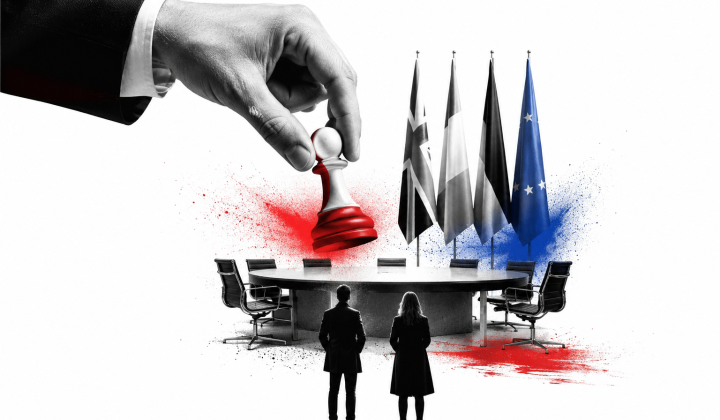
The Prime Minister of Poland, Donald Tusk, supported by Italy, demands the inclusion of Warsaw in the negotiation process regarding Ukraine and harshly criticizes the clandestine monopoly of the E3 format (United Kingdom, Germany, France).
Why Tusk is Raising Issues Right Now
Within the European bloc, the struggle for influence intensifies ahead of the diplomatic fixation in autumn 2026. 'Old Europe' attempts to separately moderate the dialogue, more conveniently distributing responsibility and costs while ignoring those who bear the main logistical and security burdens.
Poland, as a key rear and transit hub for Ukraine, justifiably refuses to play the role of a statistic used by the Franco-German tandem to close their own geopolitical balances.
Symptom of the EU's Systemic Illness
Tusk's and Meloni's démarches expose the institutional paralysis of 'European diplomacy'. While Washington, in a G2 logic, conducts a rigorous commercial audit of risks and obligations through its crisis managers, Europe spends time on internal bureaucratic squabbles-essentially rearranging chairs in the negotiation room.
Rough Physics of the Process
Expanding the negotiation format itself does not change the balance of power. The real macroeconomic and military levers capable of determining the parameters of the upcoming 'thermosheet' are limited for Brussels and Warsaw. The definitive outline of the freeze will be determined by:
- the staffing and resource exhaustion of the warring parties;
- the pragmatic calculations of Washington;
- and only after that-the European configuration of 'representation' at the table.
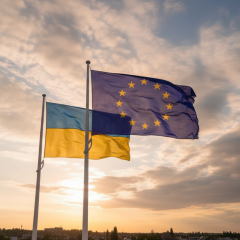
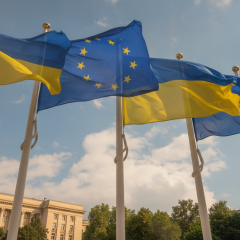
The number of European flags in the frame does not equate to the real weight in the decision.

Read also