The head of the CIA made an undisclosed trip to the Russian capital, pressing his FSB counterpart for genuine dialogue.

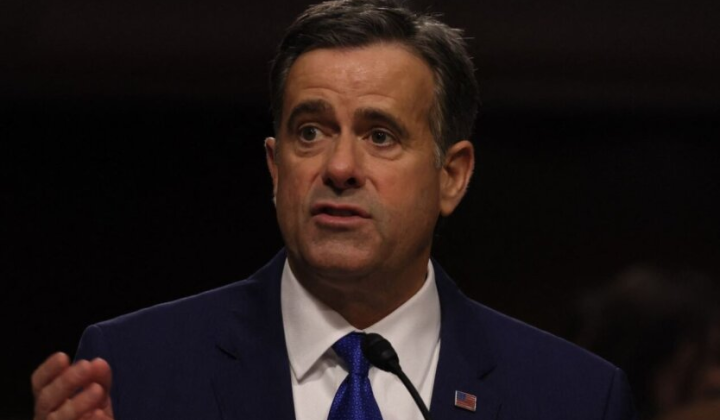
CIA Director's Visit to Moscow
According to ХВИЛЯ: John Ratcliffe, the Director of the CIA, paid a secret visit to Moscow this week and gave Alexander Bortnikov, the head of Russia's Federal Security Service (FSB), a bleak appraisal of how Russia's war against Ukraine is going, along with an appeal to enter into meaningful negotiations. The trip was part of the Trump administration's effort to kick-start peace talks that had reached a standstill, according to The New York Times, which cited current and former officials.
Ratcliffe did not threaten consequences during the visit if Vladimir Putin chooses to disregard the CIA's assessment. The CIA has kept communication lines open with the FSB and Russia's Foreign Intelligence Service for years. In addition, Trump's special envoy Steve Witkoff and the president's son-in-law Jared Kushner have maintained their own contacts with Russian officials. The NYT reported that last year Trump and several of his closest advisers regarded a Russian victory on the battlefield as all but certain; since then, however, Russian forces have suffered enormous losses and their advances along the front have largely stalled.
Talks and Their Implications
It remains unclear whether Ratcliffe's message signals any shift in US policy toward Russia or Ukraine. Ukraine has no intention of halting its fight in the east, even with diminished American military aid. Ratcliffe told Bortnikov that Moscow should now begin serious negotiations aimed at ending the war.
"Washington asked Ukraine to pause its strikes against Russia during the CIA chief's visit to Moscow" - Bloomberg
Earlier reports indicated the Kremlin is preparing to intensify its attacks on Ukraine following the breakdown of talks.
Ratcliffe's visit highlights how central diplomacy remains in the grinding war between Russia and Ukraine, a conflict whose consequences reach far beyond the two countries and affect international stability. Washington's moves may point to an effort to find an off-ramp, but Russia's response and the next stage of the war are still unclear. How these talks might reshape the strategies of both sides and the wider regional situation is worth close attention. It is a reminder that secretive channels often operate alongside public hostilities.
As diplomatic efforts continue, the recent trip by CIA Director John Ratcliffe to Moscow underscores the urgency for renewed dialogue amidst escalating tensions. The implications of these discussions could significantly shape future interactions between the US and Russia, especially regarding the ongoing conflict in Ukraine.

Read also